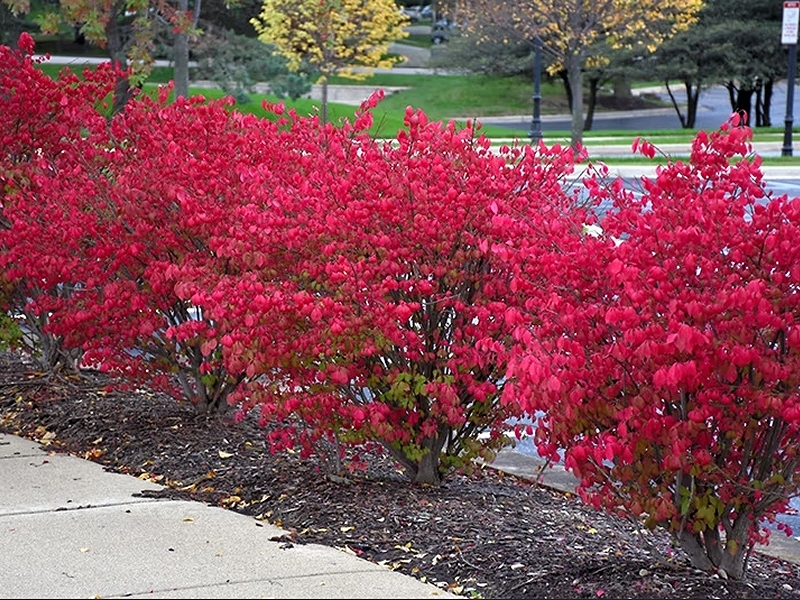
|
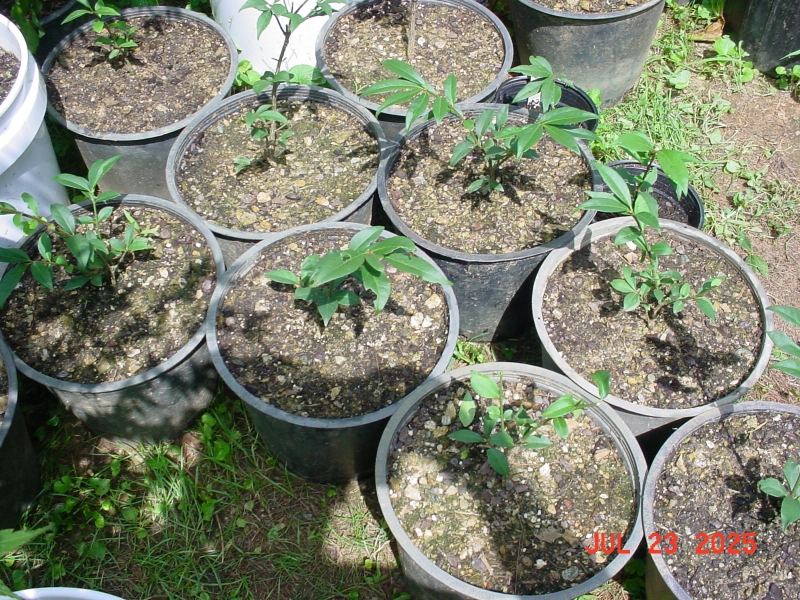
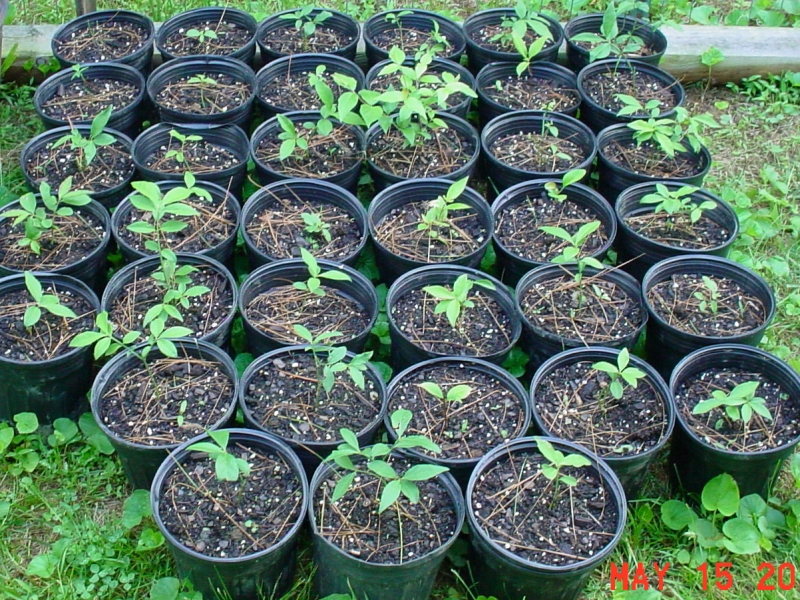
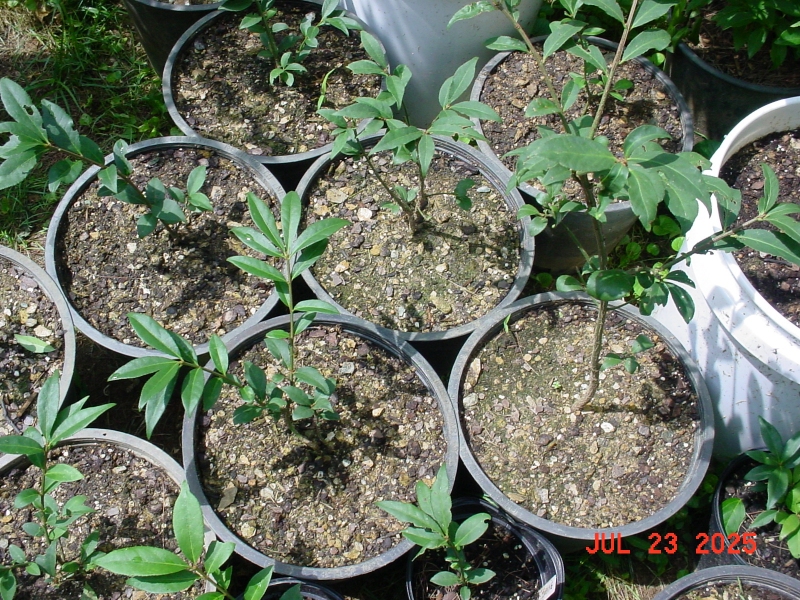
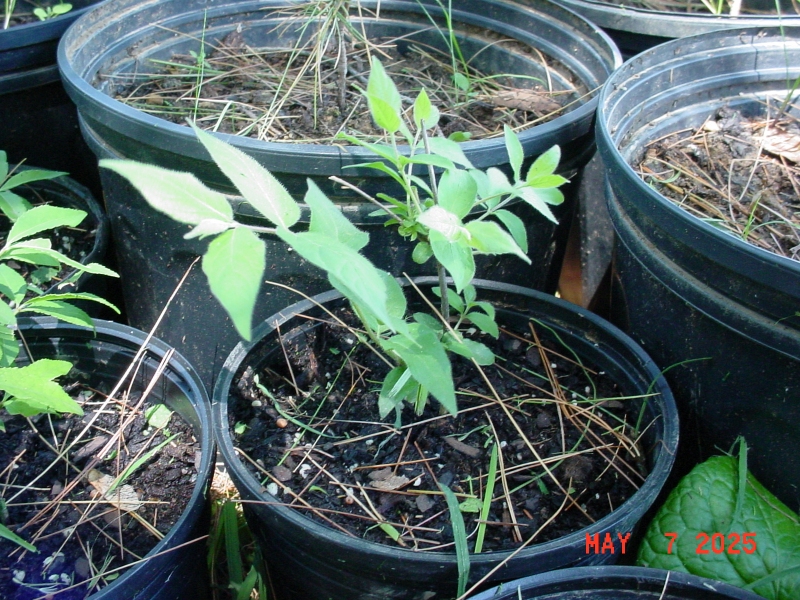
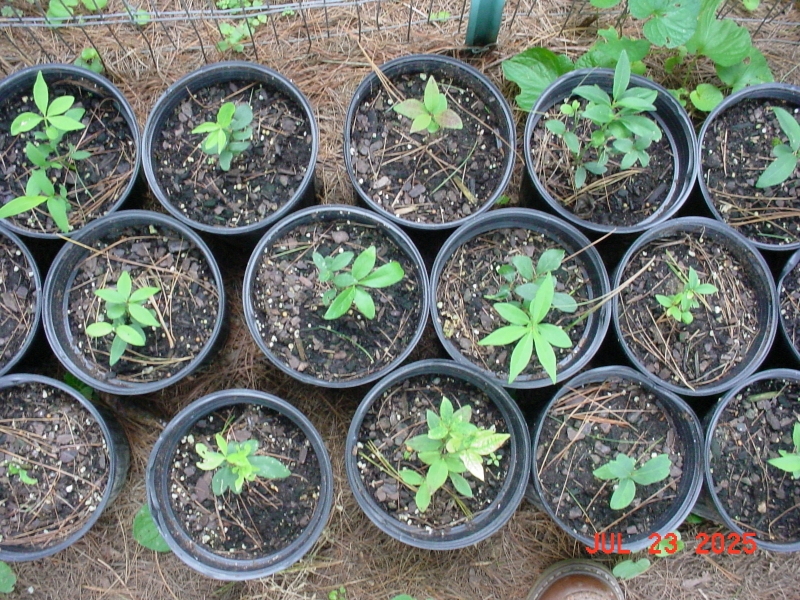
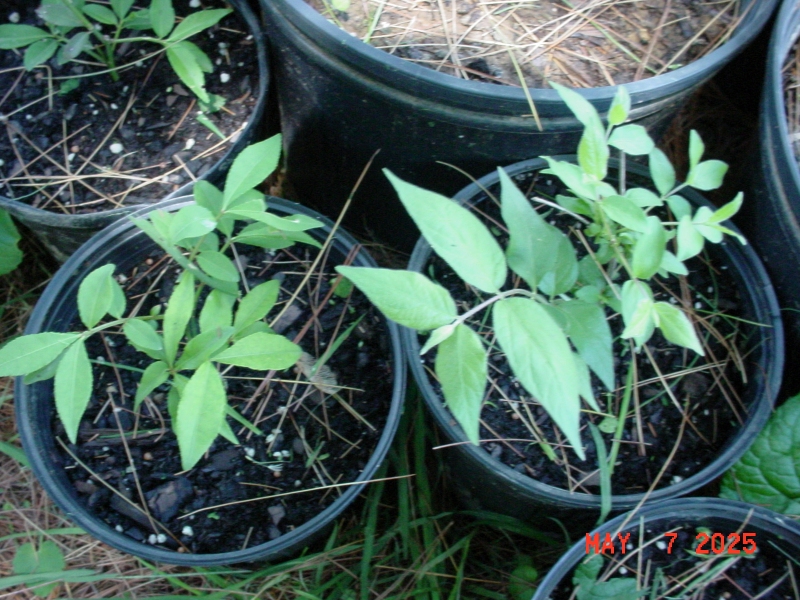
Potted Burning Bush (Euonymus alatus) Shrubs
|
|
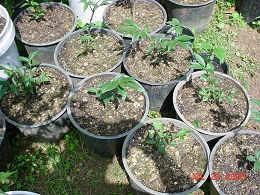
Burning Bush Shrubs
|
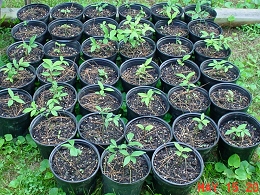
Burning Bush Shrubs
|
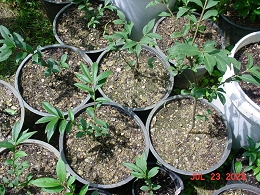
Burning Bush Shrubs
|
Burning Bush (Euonymus alatus) Shrubs
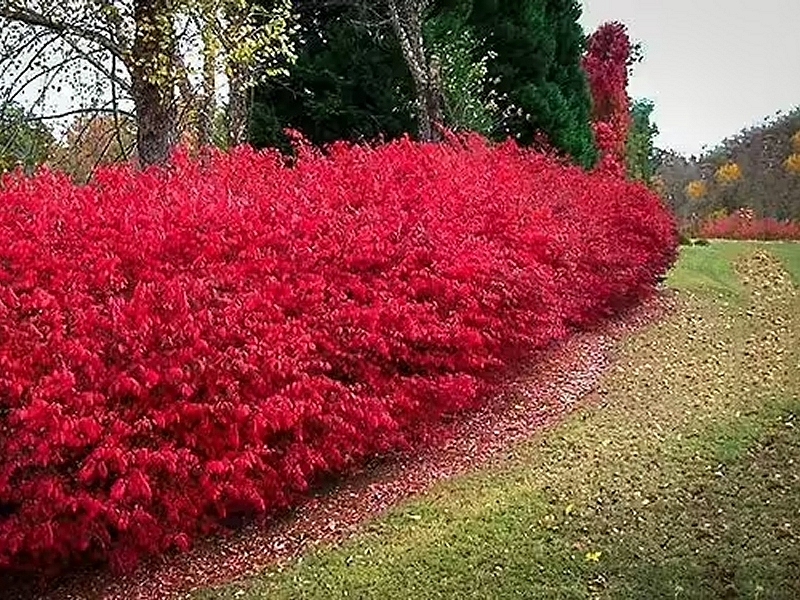
Burning bush primarily refers to Euonymus alatus, a deciduous shrub native to northeastern Asia, introduced to North America in the 1860s for its striking brilliant red fall foliage. It is also known as winged euonymus or winged spindle due to the corky ridges along its stems. While popular in landscaping for its ornamental value, it is now considered invasive in 21 U.S. states, including Pennsylvania and Delaware, where it spreads aggressively through bird-dispersed seeds, forming dense thickets that outcompete native plants.
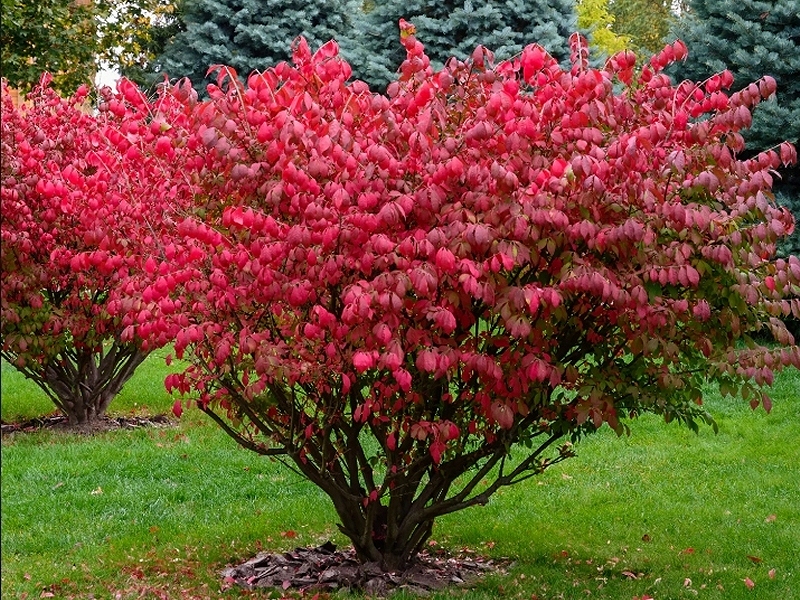
The Burning Bush shrub is a woody shrub that thrives in a shady understory with well-draining soil, but it can also grow in full or part sun. Its height at maturity is typically 10-15 feet, but landscape shrubs are often pruned to be smaller. The elliptical leaves are one to two inches long and are arranged oppositely with finely toothed margins.
|
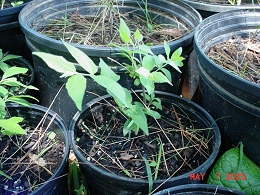
Burning Bush Shrubs
|
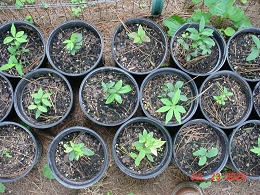
Burning Bush Shrubs
|
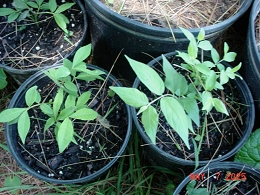
Burning Bush Shrubs
|
About Burning Bush Shrubs
|
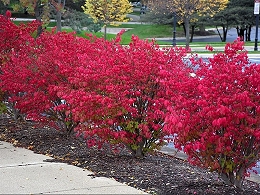
Burning Bush Shrubs
|
The Burning Bush shrub or Fire Bush (Euonymus alatus) is a robust shrub that's inconspicuous for most of the year but spectacular in autumn. The foliage turns vivid shades of scarlet and crimson, making it one of the best plants for autumn colour. The summer flowers are insignificant, but they result in attractive purple and red fruits which split open to form four winged lobes with a bright orange seed at the center. These are a good source of food for birds over winter. The shrub is also known as the winged spindle as its branches sometimes develop corky 'wings', visible after the leaves have fallen.
Euonymus alatus is commonly known as Burning Bush because of its almost neon-red fall color. The Burning Bush shrub is a low maintenance shrub and an ornamental staple in suburban landscaping, it has also become very common in the woodlands of the eastern United States.
|