|
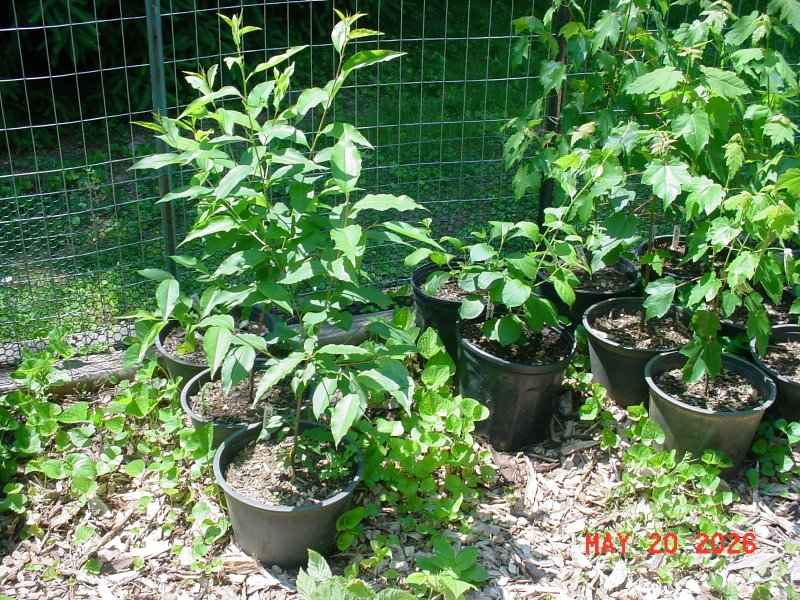
Potted Aronia Berry And Hinnomaki Red Gooseberry Bushes
|
|
Aronia Berry
|
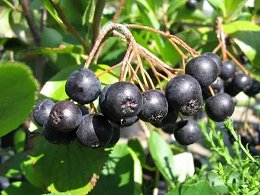
Aronia Berry
|
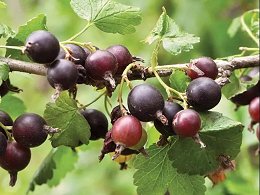
Aronia Berry
|
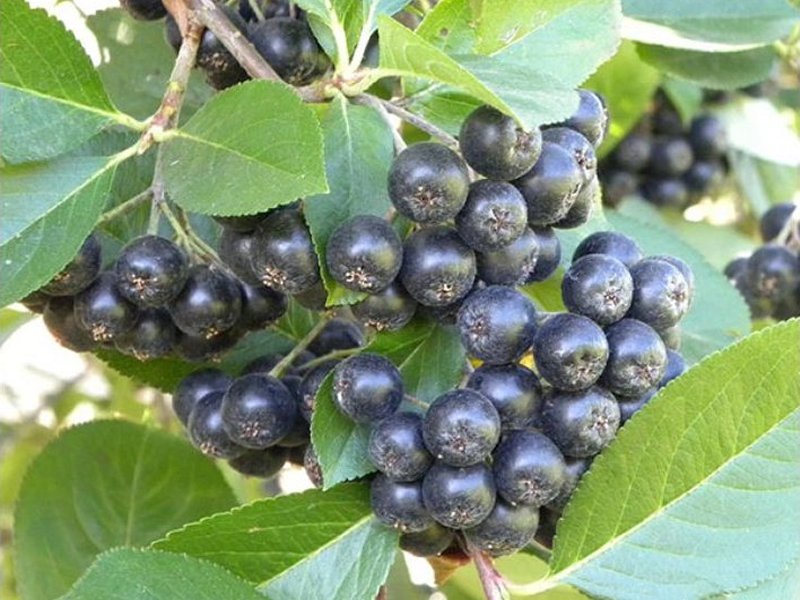
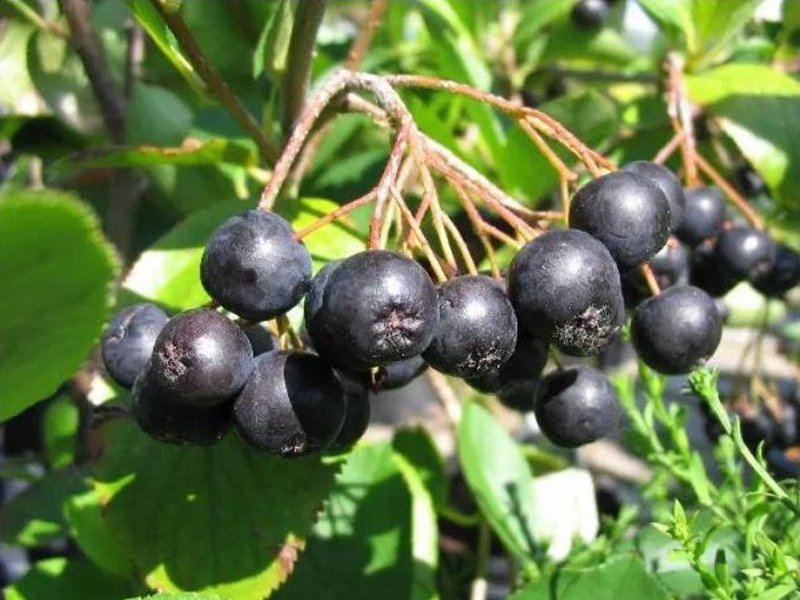
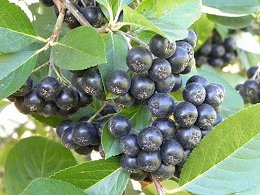
'Aronia Berry' (Aronia melanocarpa) often nearly seedless, also known as black chokeberry, is a small, dark purple to black berry native to eastern North America. It is prized for its exceptionally high antioxidant content—nearly three times that of blueberries—making it a popular superfood. The berries are extremely tart and astringent when eaten fresh, which gives them their common name, "chokeberry," but they are commonly processed into juices, jams, syrups, powders, teas, and supplements for improved palatability.
The Aronia Berry shrub grows 3–6 feet tall, produces showy white flowers in spring, and displays vibrant red to burgundy fall foliage. They are self-fruitful, cold-hardy for our area, and adaptable to a wide range of soils, including wet or poor conditions. The most common commercial varieties are ‘Viking’ and ‘Nero’, known for larger, sweeter berries. Aronia plants are low-maintenance, resistant to pests and diseases, and produce abundant yields—up to 15–20 lbs per plant—making them ideal for both home gardens and commercial production.
For consumers, fresh, frozen, dried, or powdered aronia berries are available from specialty retailers and online suppliers. The berries are also increasingly found in health foods and beverages, including juices and functional snacks. While fresh berries are not widely sold due to their sharp taste, they are excellent for blending into smoothies, baking, or making preserves.
|
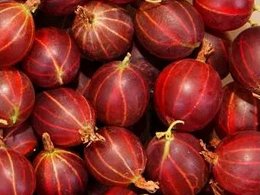
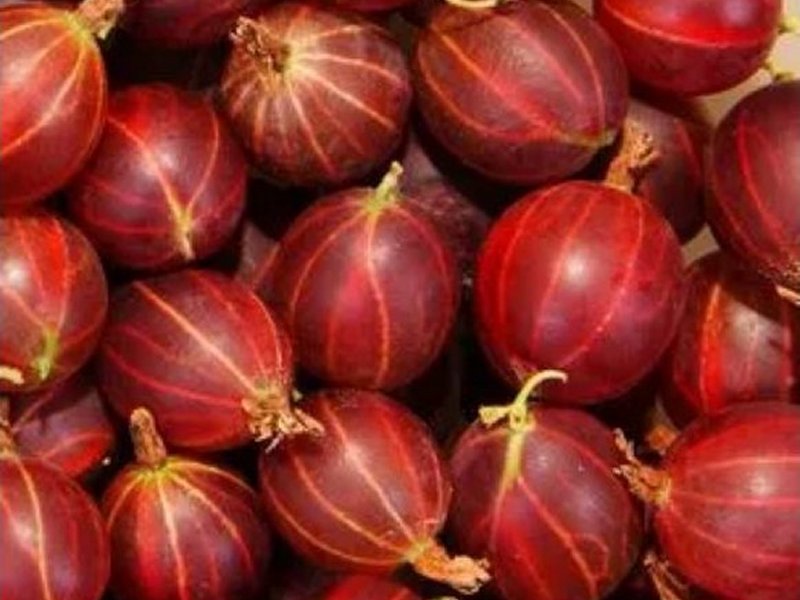
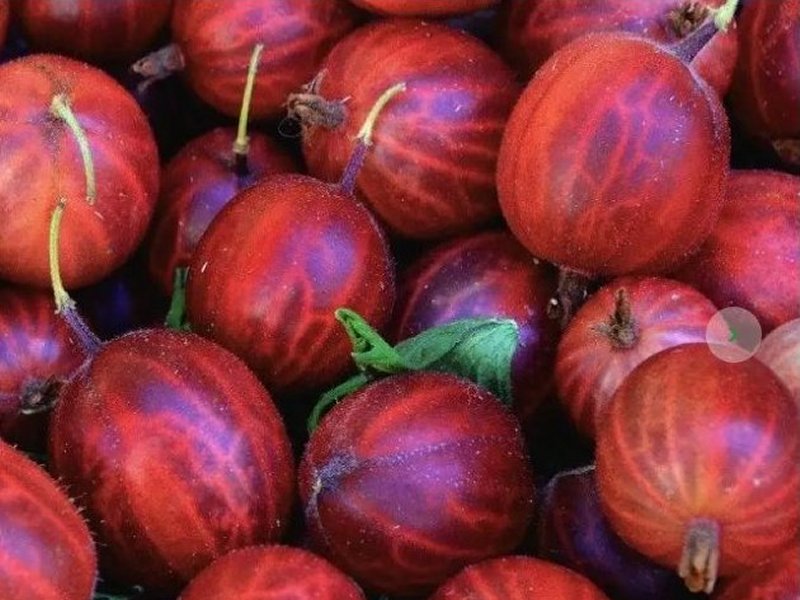
Hinnomaki Red Gooseberry
|
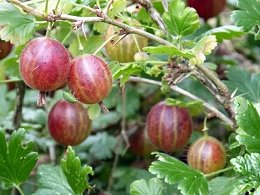
Hinnomaki Red Gooseberry
|
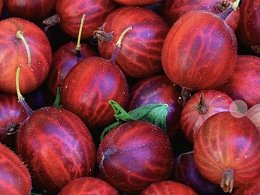
Hinnomaki Red Gooseberry
|
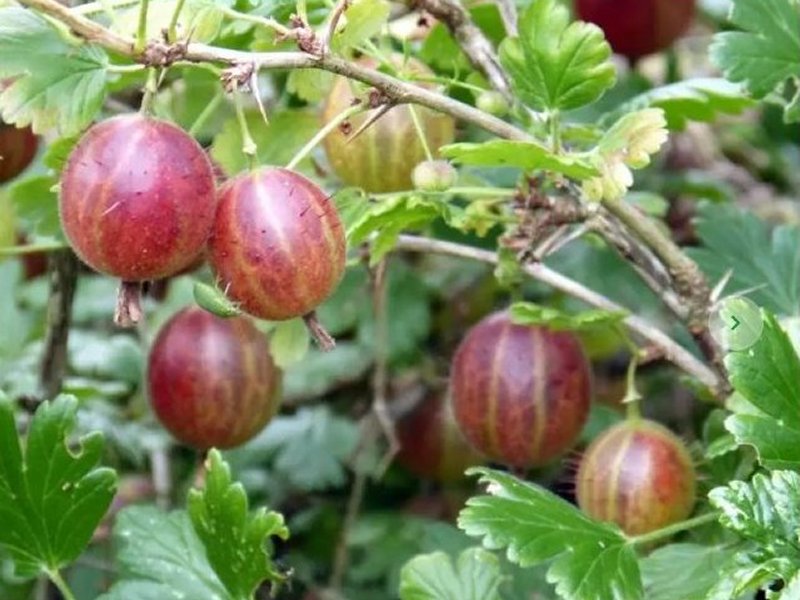
'Hinnomaki Red' Gooseberry (Ribes uva-crispa) small seeded Finnish variety of Ribes uva-crispa prized for its large, deep red berries with a sweet-tart flavor—tangy skin and juicy, sweet flesh. It is one of the most popular gooseberry varieties due to its high yields, disease resistance (especially to powdery mildew), and cold hardiness, thriving in our area.
Like all gooseberries, Hinnomaki Red Gooseberry contains small seeds within the fruit. The seeds are typically soft and edible, though they are often overlooked when eating the fruit fresh or using it in recipes. The variety is prized for its sweet-tart flavor and large, juicy berries, not for being seedless.
- Fruit: Medium to large, firm, red berries with a complex, rich flavor—ideal for fresh eating, pies, jams, and preserves.
- Plant: Upright, deciduous shrub reaching 2–5 feet tall and 3–6 feet wide, with dark green, grape-like foliage that turns red in fall.
- Growth: Self-fertile and easy to grow; produces fruit in 1–2 years, with mature plants yielding 4–5 pounds annually.
- Care: Prefers full sun to partial shade, well-drained, slightly acidic soil. Requires regular watering during fruiting and annual pruning to maintain productivity.
- Uses: Excellent for edible landscaping, borders, wildlife gardens, and container growing (with a minimum 18-inch pot).
Hinnomaki Red Gooseberry is a top choice for gardeners seeking a low-maintenance, productive, and flavorful gooseberry with ornamental appeal.
Canadian Red Cherry or Canada Red Chokecherry (Prunus virginiana 'Canada Red')
|
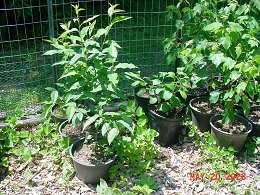
Cherry Trees
|
The Canadian Red Cherry tree is a small, deciduous ornamental tree widely used in landscaping for its toughness and foliage.
- Appearance: Leaves emerge green in spring, turning deep purple by early summer and reddish-purple in the fall. It produces fragrant white flowers in racemes, followed by small, dark purple-black fruits.
- Hardiness: Extremely resilient, thriving in USDA zones 2–7 and tolerating temperatures down to -40°F. It is suitable for difficult conditions, including poor soil, heat, wind, and drought.
- Size: Typically reaches 20–30 feet in height with a 15–20 foot spread.
- Uses: The fruit is edible but astringent, commonly used for jellies, preserves, and juices. The tree is also valued for attracting birds and wildlife.
- Care: Requires full sun for best leaf color and fruit production. It is generally pest-free but can send up suckers; proper drainage is essential.
Yoshino Cherry (Prunus × yedoensis)
The Yoshino Cherry tree is a popular hybrid flowering tree native to Japan, celebrated for its profuse early spring blooms of fragrant, pale pink to white flowers that appear before the leaves.
- Size and Shape: A deciduous tree reaching 30–50 feet tall with a spreading, broad-rounded crown.
- Bloom Time: Flowers emerge in March–April, featuring single blooms in clusters of 2–5 with a slight almond fragrance.
- Foliage: Leaves are elliptic to oval, turning yellow to gold in the fall.
- Hardiness: Thrives in USDA zones 5–8 with full sun and well-drained soil.
- Hybrid Origin: A cross between Prunus speciosa (Oshima cherry) and Prunus pendula f. ascendens (Edo higan).
|