|
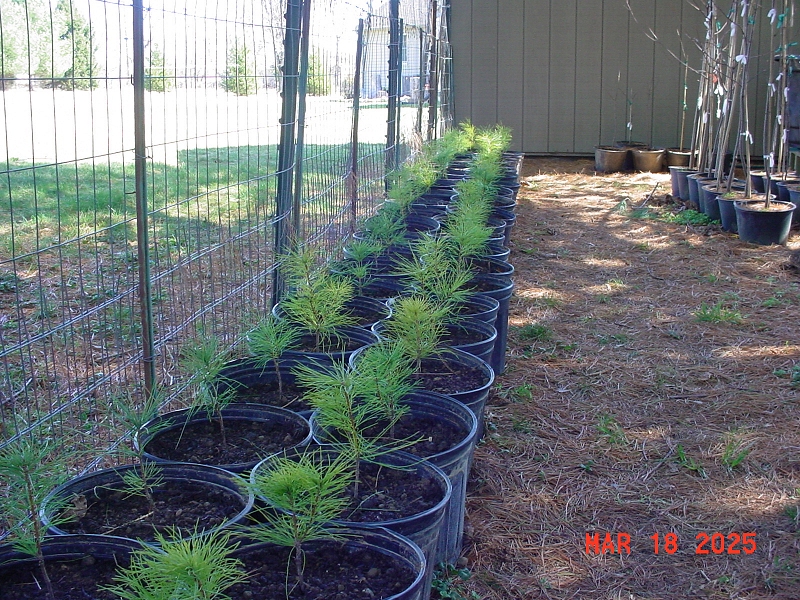
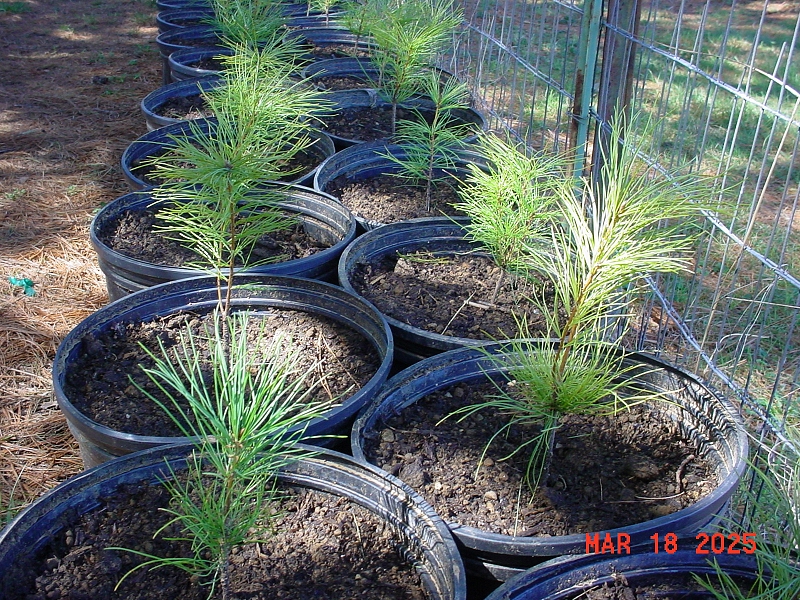
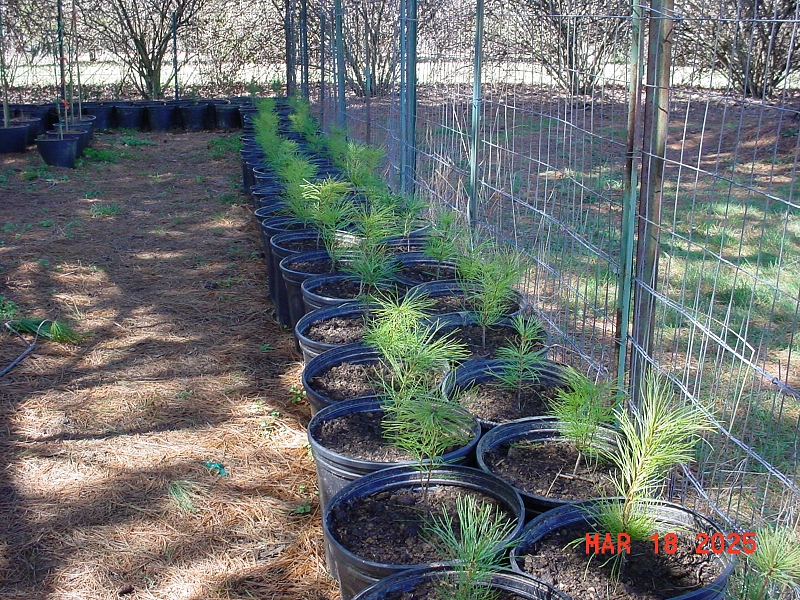
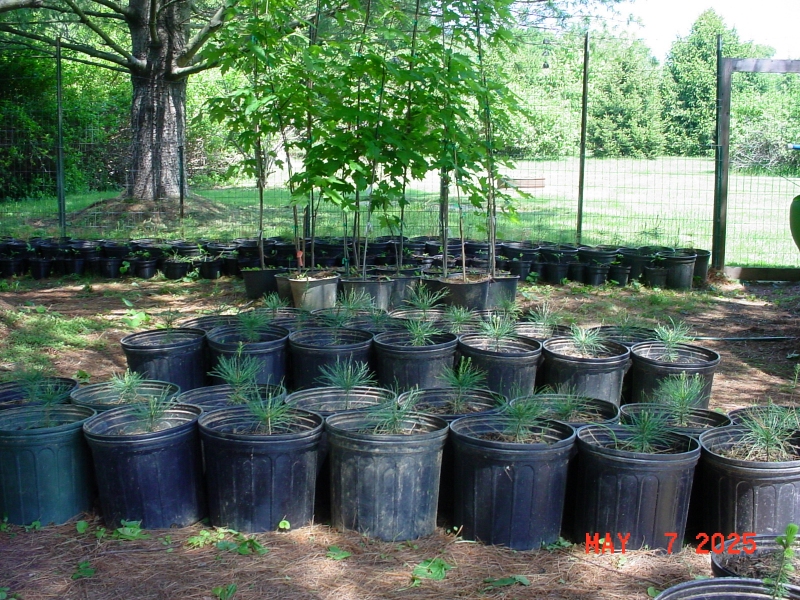
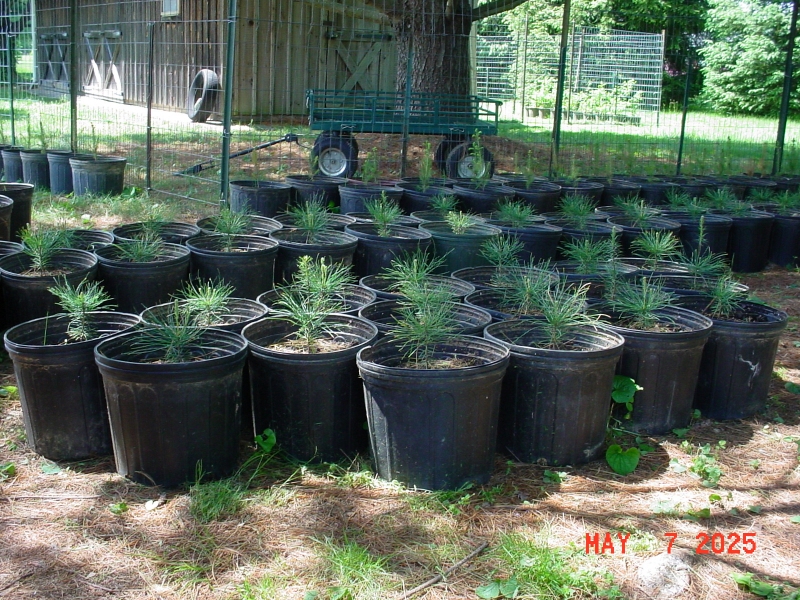
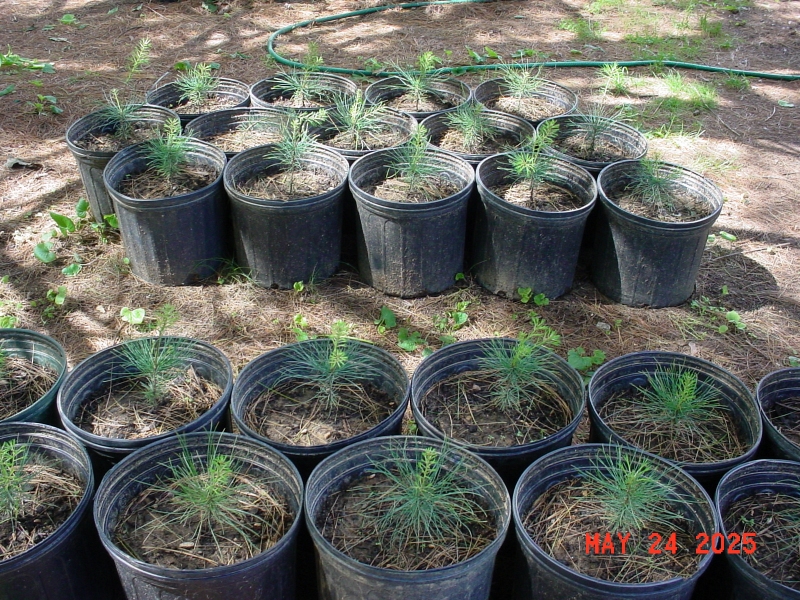
Potted Eastern White Pine (Pinus strobus) Evergreen Trees
|
|
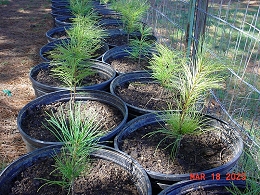
Eastern White Pine
|
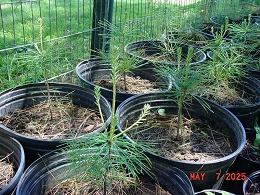
Eastern White Pine
|
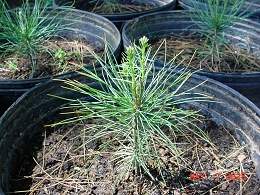
Eastern White Pine
|
Eastern White Pine (Pinus strobus) Evergreen Trees
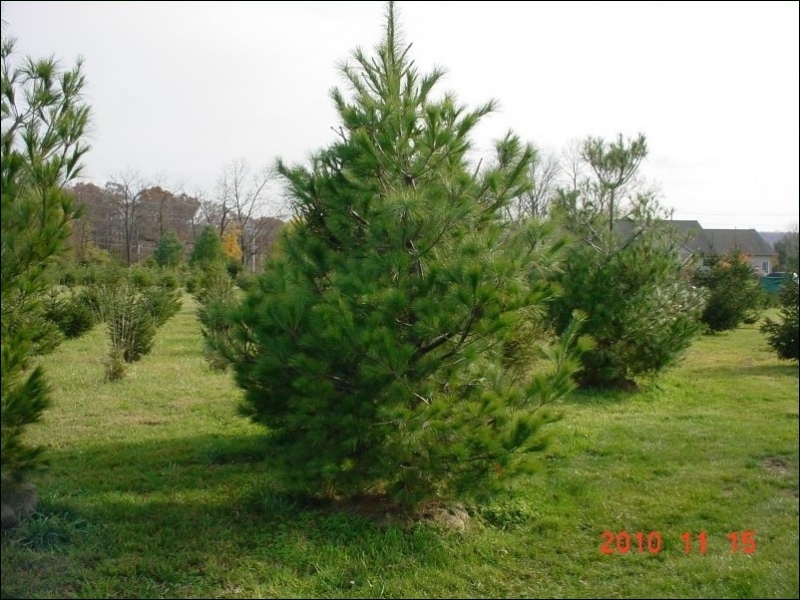
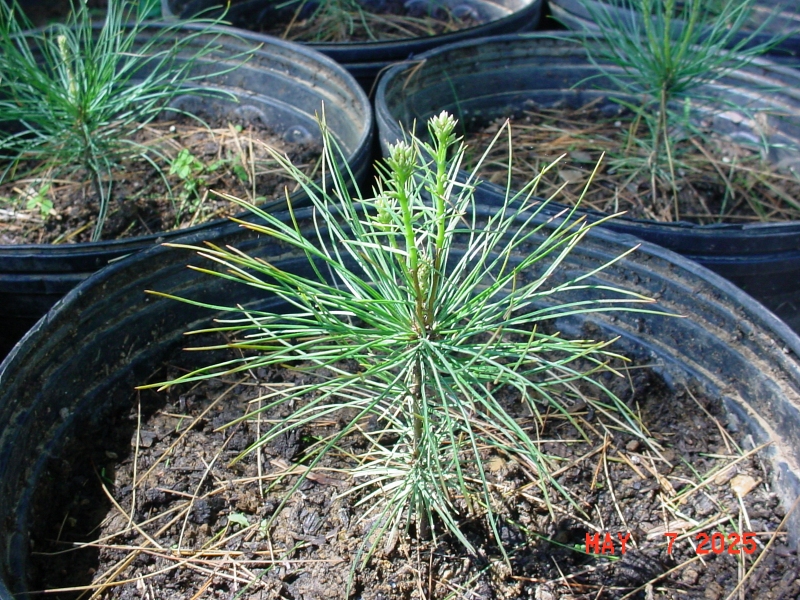
Eastern white pine (Pinus strobus) is a large, long-lived evergreen conifer native to eastern North America, recognized as the tallest tree species in the region. It can reach heights of 100 to 150 feet (up to 160 feet in record specimens) and diameters of 3 to 4 feet, with a straight, pyramidal trunk and soft, bluish-green needles that grow in bundles of five—a key identifying feature.
It thrives in cool, humid climates with acidic, well-drained soils and full sun, often dominating forest canopies. The tree has thin, smooth, greenish-gray bark when young, becoming thick, deeply furrowed, and grayish-brown with age. Its cylindrical cones, 4 to 8 inches long, mature over two years and contain winged seeds dispersed by wind.
Historically, eastern white pine was highly valued for its lightweight, straight-grained wood, used in shipbuilding, construction, and furniture—earning it the nickname "King of the North Woods." It remains an important timber and ornamental tree, a Christmas tree favorite, and a vital ecosystem species, providing food and shelter for birds, squirrels, deer, and other wildlife.
It is the state tree of Maine and Michigan and the provincial tree of Ontario, with some individuals living over 400 years.
|
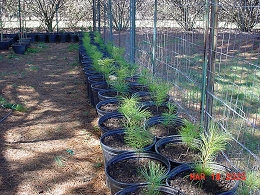
Eastern White Pine
|

Eastern White Pine
|
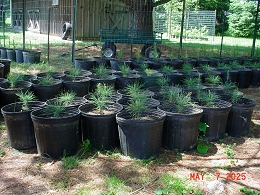
Eastern White Pine
|
Evergreen Fertilizer (NPK) Recommendations
|
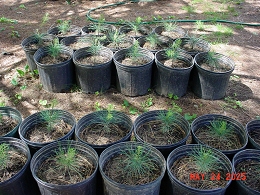
Eastern White Pine
|
Nitrogen (N): Promotes healthy, green foliage growth.
Phosphorus (P): Aids in the development of a strong root system.
Potassium (K): Boosts overall plant health and helps trees fight disease.
For evergreen trees, a complete fertilizer with a NPK ratio of 10-8-15 or a balanced formula like 10-10-10 is recommended to support foliage, root development, and overall health. Fertilizers with higher nitrogen content are also beneficial for foliage growth, and it's important to choose a fertilizer designed for evergreen or acid-loving plants, as they often prefer slightly acidic soil.
10-8-15: A frequently recommended ratio that provides a good balance of nitrogen, phosphorus, and potassium for evergreen health.
10-10-10: A versatile, balanced option that provides a complete supply of essential nutrients.
Slow-release formulas can provide nutrients gradually over a longer period, such as those with a 13-5-6 NPK ratio.
Evergreen trees thrive in slightly acidic soil (pH just under 7.0). Choose a complete fertilizer that contains all three macronutrients (N, P, and K). Fertilize in late fall or early spring, and consider using slow-release or spike fertilizers for gradual nutrient delivery.
An ideal NPK ratio for evergreen trees has a higher nitrogen content than phosphorus and potassium. Evergreens generally prefer acidic soil, so specific formulas, such as 10-8-6, 16-4-8, or even a balanced 10-10-10, can work well, depending on your soil conditions and tree's needs. To determine the best fertilizer for your specific soil, it is recommended to get a soil analysis. Purchase a Soil PH Meter or Tester and maybe a Soil Moisture Tester to determine your soil PH level and moisture.
|