|
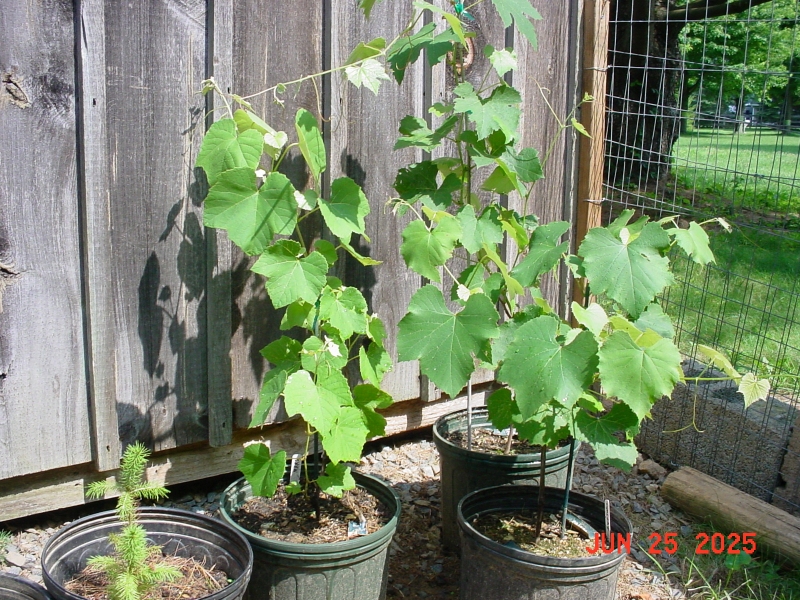
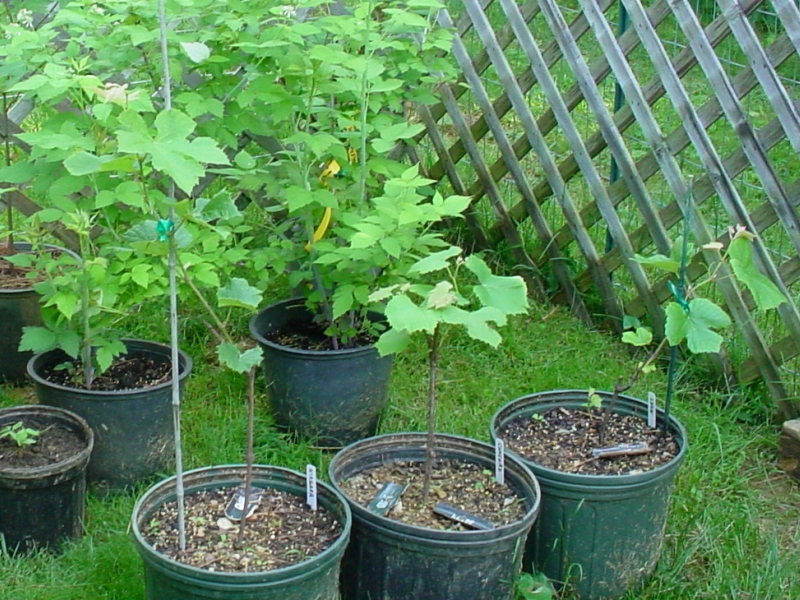
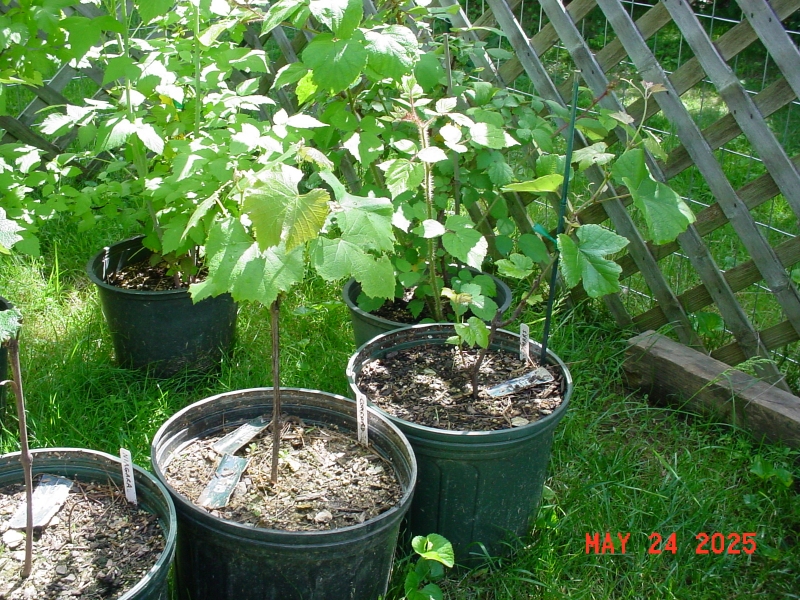
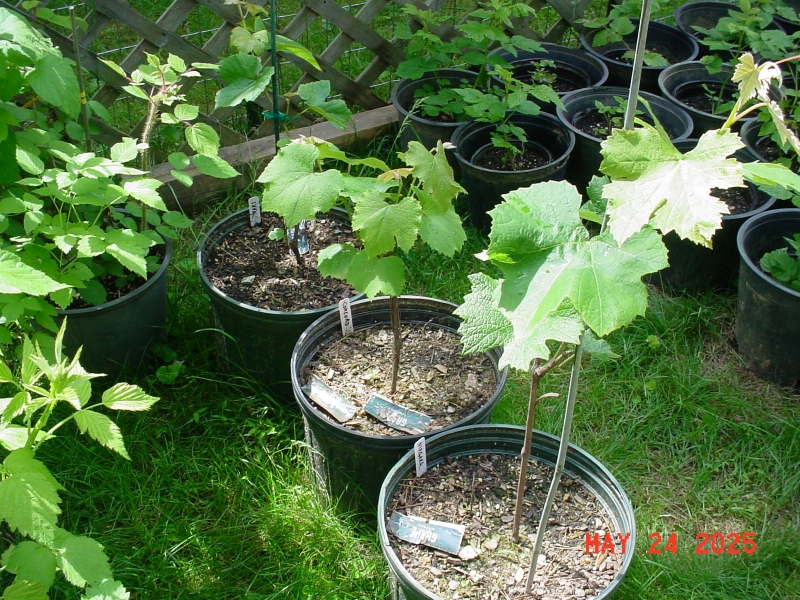
Potted Canadice, Concord, Lakemont, Mars, Niagara Grapevines
|
|
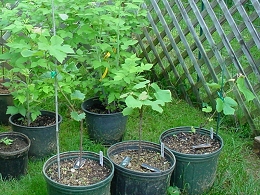
Potted Grapevines
|
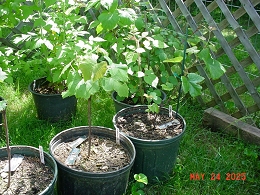
Potted Grapevines
|
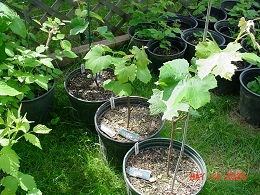
Potted Grapevines
|
Canadice, Concord, Lakemont, Mars, Niagara Grapevines
A grapevine is a climbing, woody perennial plant belonging to the genus Vitis, primarily found in the Northern Hemisphere. It is best known for producing grapes, which are botanically classified as berries and are used for fresh eating, wine production, raisins, and other food products. The most common species, Vitis vinifera, is native to the Mediterranean region and is the foundation of global wine production, with over 5,000 cultivated varieties.
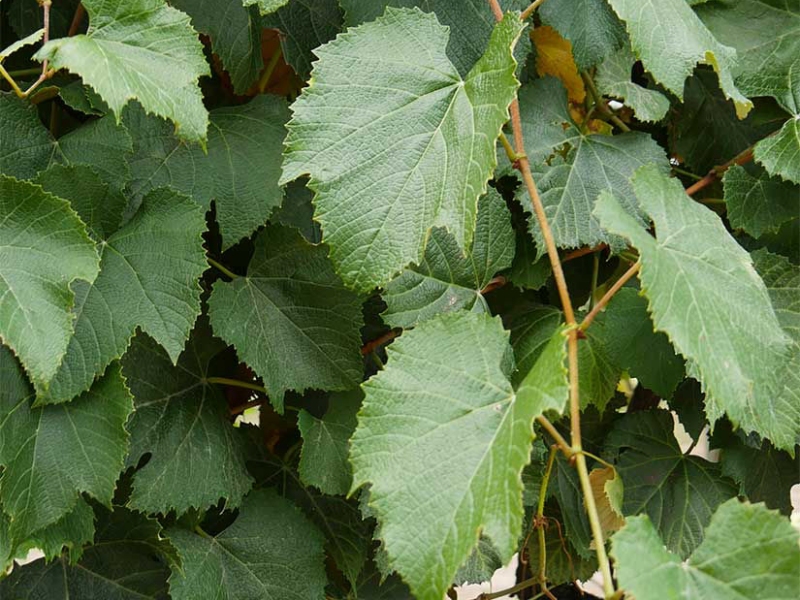
Grapevines grow rapidly—up to 1 to 4 meters (3–13 feet) per year—and can reach lengths of 12–18 meters (40–60 feet) when untrained. They climb using tendrils, modified branches that attach to supports like trellises or trees. The plant has alternate, palmately lobed leaves, small greenish flowers in clusters, and fruit that varies in color (green, red, purple, or black) depending on the variety.
Grapevines are economically and culturally significant, with a history of cultivation stretching back over 6,000 years. They are central to viticulture (the cultivation of grapes) and ampelography (the study of grapevine varieties). In addition to their agricultural role, grapevines have symbolic meanings in mythology and religion—such as representing fertility, divine inspiration, or the blood of Christ—and are also used ornamentally for green facades and arbors.
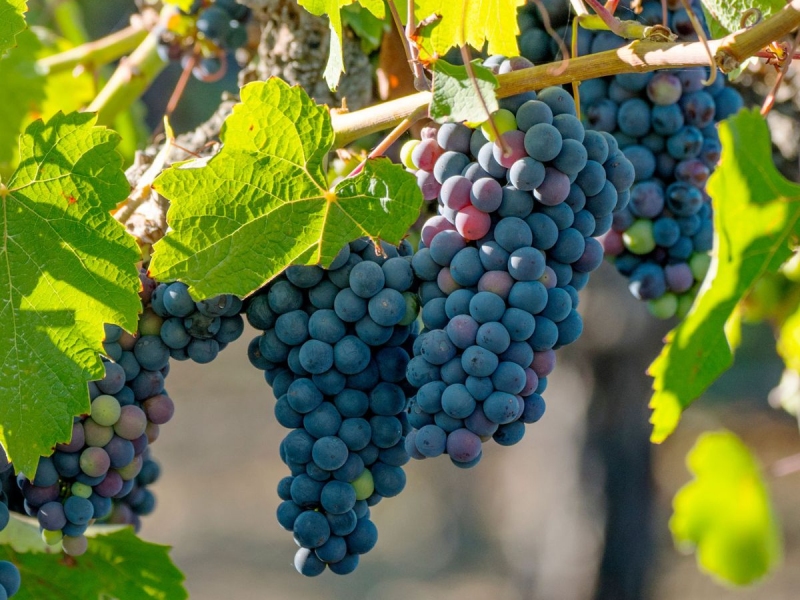
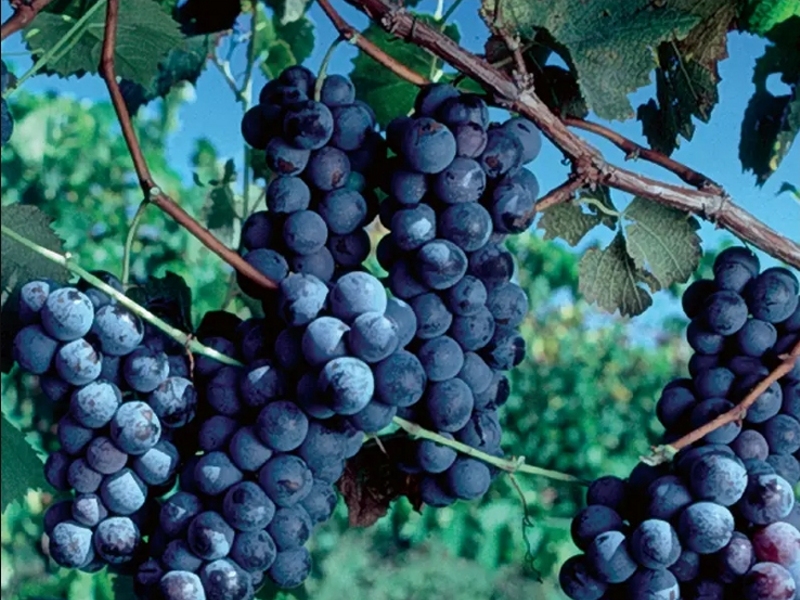
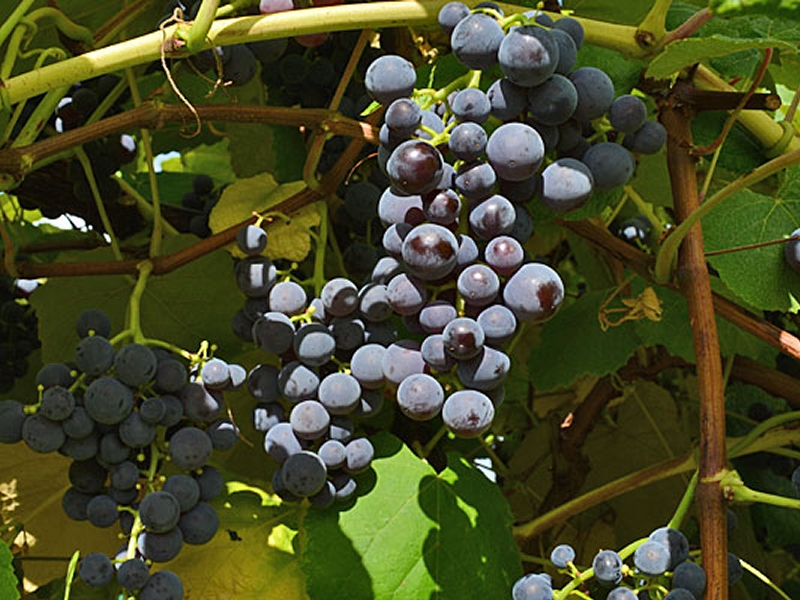
Canadice, Concord, Lakemont, Mars, Niagare Grape Berries
A grape is a fruit. Botanically, a grape is classified as a berry, which is a type of fruit that develops from a single flower with one ovary and typically contains seeds. Grapes grow in clusters on woody vines of the genus Vitis and are characterized by their juicy, fleshy pulp and sweet or tart flavor. Despite the common misconception that grapes are not berries, they meet the formal botanical definition of a berry. They are also widely recognized as a fruit in culinary contexts, used fresh, dried (as raisins), or processed into juice, wine, and other products with significant health benefits.
|

Canadice Grapes (seedless)
|

Canadice Grapes (seedless)
|

Canadice Grapes (seedless)
|
|

Concord Grapes (seedless)
|

Concord Grapes (seedless)
|

Concord Grapes (seedless)
|
|
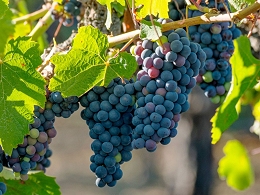
Concord Grapes
|
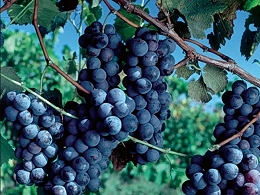
Concord Grapes
|
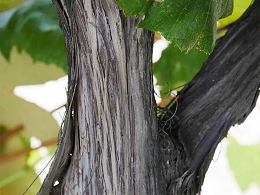
Concord Grapes
|
|

Lakemont Grapes (seedless)
|

Lakemont Grapes (seedless)
|

Lakemont Grapes (seedless)
|
|
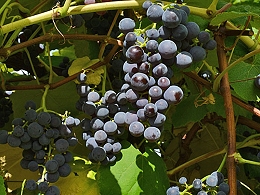
Mars Grapes (seedless)
|
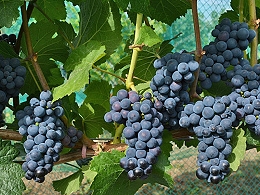
Mars Grapes (seedless)
|
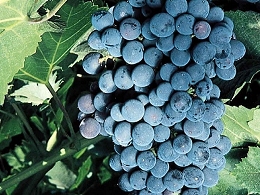
Mars Grapes (seedless)
|
|
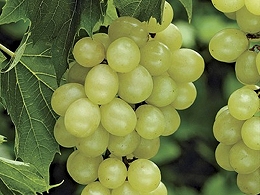
Niagara Grapes (seedless)
|
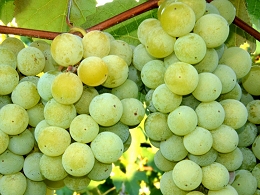
Niagara Grapes (seedless)
|
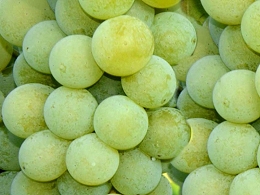
Niagara Grapes (seedless)
|
About Grapevines And Grape Berries
A grapevine looks somewhat like a bush, and therefore is frequently referred to as a "bush vine". A grapevine is considered a climbing shrub or a woody vine. While it can grow quite long and climb structures, it is essentially a woody plant with a multi-stemmed growth habit, similar to a shrub. The term "vine" is used to describe its climbing growth habit.
Grapes offer significant health benefits, including improving heart health, potentially preventing cancer, boosting eye health, and enhancing brain function. Grapes also contribute to better sleep, bone health, and skin beauty, while supporting the immune system. Grapes are also beneficial for managing diabetes and lowering blood pressure.
How To Enjoy Grapes: Eat them fresh with yogurt or cereal, blend them into smoothies, add them to salads and desserts, and make grape jam or preserves. Choose organic grapes whenever possible to minimize pesticide and other chemical exposure.
Grow an abundance of grapes and freeze plenty to enjoy throughout the year. It is easy to freeze grapes and they are just as tasty and beneficial as freshly picked grapes.
'Canadice' Grapevine (Vitis 'Canadice') (seedless grapes)
|
Canadice Grapes (seedless)
|
The scientific name for the Canadice seedless grape is Vitis 'Canadice', and it is specifically classified as a hybrid between Vitis labrusca and Vitis vinifera. Canadice is a late-season, red seedless table grape cultivar known for its very sweet flavor with a distinct spicy or tangy hint and a texture similar to Delaware grapes. Canadice grapes are one of the hardiest seedless varieties, surviving temperatures down to -20°F (-29°C) and thriving in USDA Hardiness Zones 5–8.
- Appearance: Medium-sized, firm, pink to light red berries that grow in large, cylindrical, and compact clusters.
- Ripening Time: It is an early-to-late season grape, typically ripening from mid-August to mid-October depending on the climate.
- Growth Habits: The vines are vigorous, self-pollinating, and disease-resistant.
- Uses: Primarily eaten fresh as a table grape, but also used for jelly, juice, wine, and drying into raisins.
- Storage: When treated with high post-harvest sulfur dioxide fumigation, the fruit can maintain high quality for up to four months.
'Concord Seedless' Grapevine (Vitis labrusca 'Concord Seedless') (seedless grapes)
|
Concord Grapes (seedless)
|
Seedless Concord grapes are a seedless sport of the popular seeded Concord grape (Vitis labrusca 'Concord'), developed to meet consumer demand for easy-eating fruit without seeds. While they share the distinctive sweet-to-sweet-tart flavor and musky aroma of their seeded ancestor, they are botanically unrelated to the original Concord variety and feature smaller clusters and berries that ripen about one week earlier.
The Seedless Concord grapes are self-pollinating, making them ideal for home gardens in USDA Hardiness Zones 5-8 where they thrive in full sun with minimal soil requirements. They are widely used for fresh eating, juicing, and making pies, jams, jellies, and wine, though they may occasionally contain a few undetectable seeds, particularly in warmer climates.
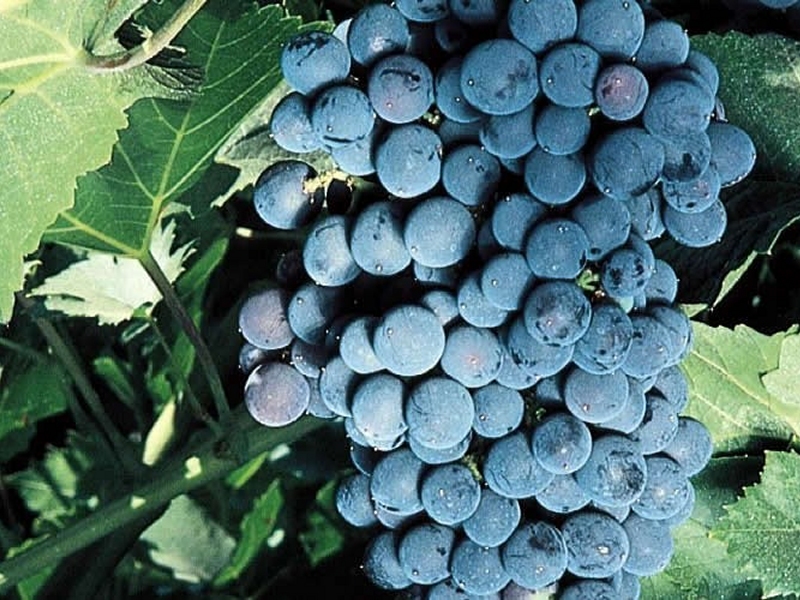
- Appearance: Dark purple to almost black skin with a powdery bloom and translucent green flesh.
- Texture: "Slip-skin" variety, meaning the skin easily separates from the juicy, soft flesh.
- Harvest: Typically ripens in late mid-season (early September).
- Availability: Often sold as young vines for planting or harvested fresh in late summer to early fall.
'Concord' Grapevine (Vitis labrusca 'Concord') (not seedless grapes, but delicious)
|
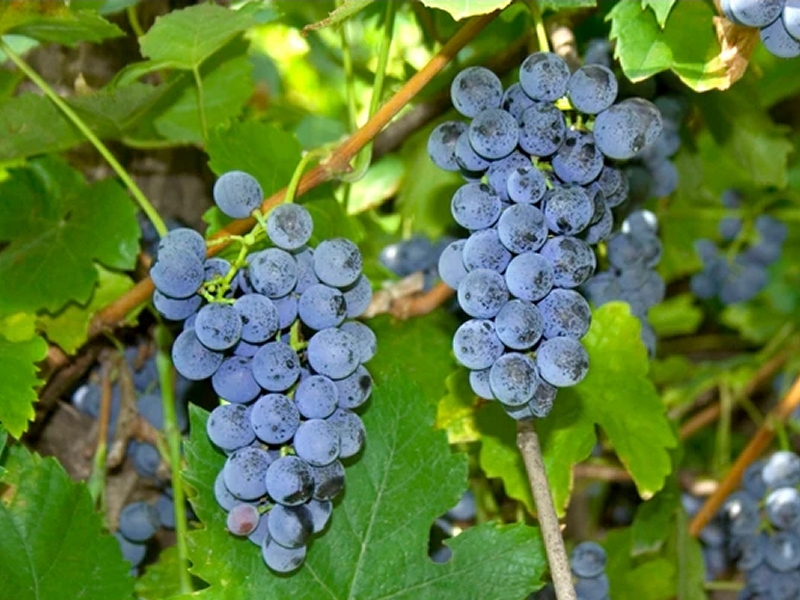
Concord Grapes
|
The Concord grapevine is a woody plant that produces a classic American grape variety known for its large, deep purple, and flavorful grapes. It is a vigorous and hardy vine widely farmed to produce grapes used in juice, jelly, jam, and wine products.
Concord grapes are large, round, and blue-black with a bluish bloom. They are characterized by a slip skin, meaning the skin easily separates from the flesh. Concord grapes have a distinctive, slightly tangy flavor that is both sweet and rich. They are primarily used for making grape juice, jelly, jam, and wine, as well as being enjoyed fresh as a snack.
Concord grapevines are vigorous and can grow quickly. They need full sun and well-drained soil and are cold-hardy. Concord vines require support, such as a trellis or fence, to climb and grow. While Concord vines are self-fertile, planting multiple vines can increase the yield of fruit. Concord vines are known for their vigorous growth and high yields and are generally resistant to common grape diseases.
Plant in full sun with well-drained soil, spacing vines 6-10 feet apart. Prune the vines to a single stem with 4 buds at planting time. Train the vines on a support structure, such as a trellis or arbor. Mulch the base of the vines to help retain moisture and suppress weeds. Fertilize annually in late fall for the first three years to help the vine get established.
'Lakemont' Grapevine (Vitis vinifera 'Lakemont') (seedless grapes)
|
Lakemont Grapes (seedless)
|
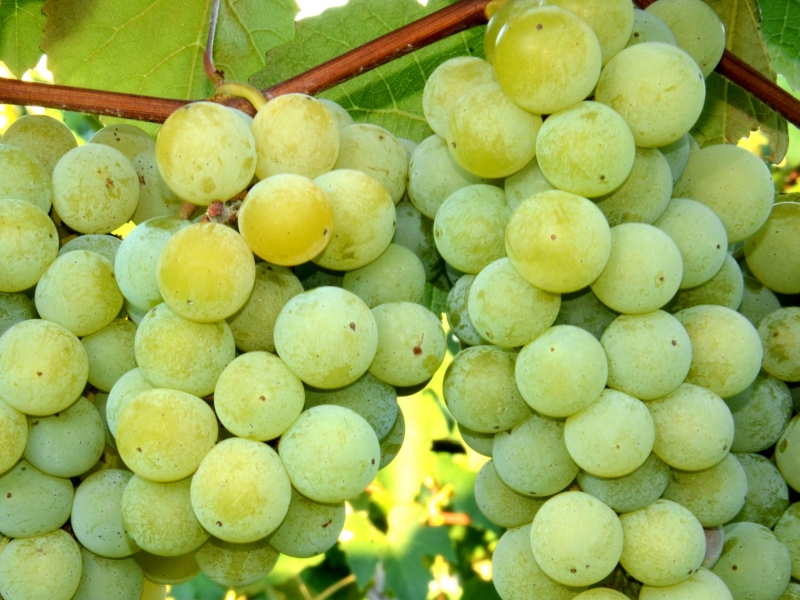
Lakemont grapevines are a popular, late-season, seedless table grape variety known for their large, tight clusters, crisp, juicy texture, and sweet, honey-like flavor. They are a self-pollinating variety, making them ideal for home gardens, and are part of the "Three Sisters" group with Himrod and Interlaken grapes.
- Harvest Time: Typically ripens in late August to mid-September, making it a late-season choice.
- Growth & Care: Thrives in our area, prefers full sun (6+ hours daily), and requires well-draining, slightly acidic soil. The vine is vigorous and can grow 3–5 feet tall with a 2–3 foot spread when trained.
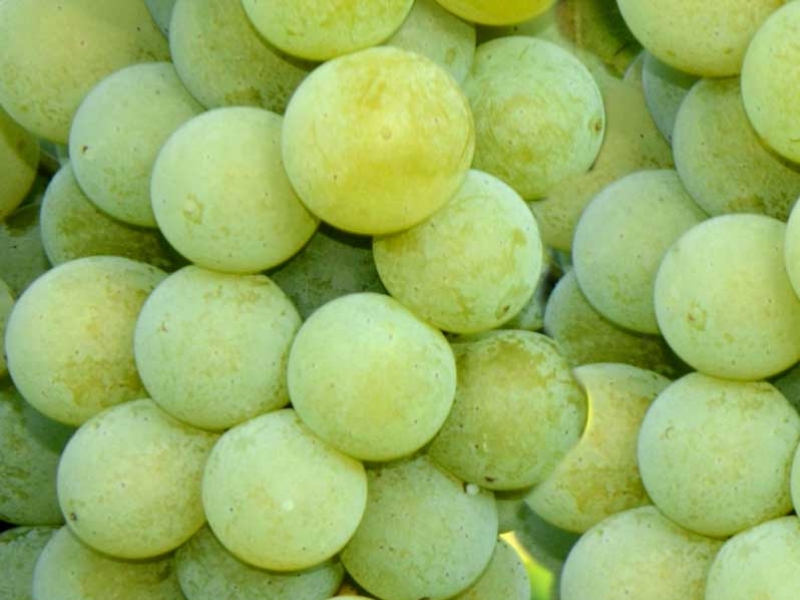
- Fruit Characteristics: Medium-sized, pale green to golden yellow berries with a firm, sweet, and refreshing taste—ideal for fresh eating, raisins, juice, and wine.
- Cultivation Tips: Best planted in early spring. Requires support like a trellis, fence, or arbor. Watering is high during establishment; mature plants need less frequent watering. Pruning annually encourages fruiting. Not ideal for long-term container growing due to large root system.
- Additional Benefits: Disease-resistant, winter-hardy, and attracts pollinators and birds.
'Mars' Grapevine (Vitis labrusca 'Mars') (seedless grapes)
|
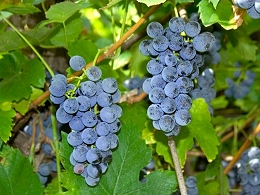
Mars Grapes (seedless)
|
The Mars grapevine is a woody plant. The "Mars Seedless" variety, is a vigorous, dark blue or purple skin seedless grape that is known for its sweet, juicy flavor and resistance to diseases. The grapes are slipskin, meaning the skin easily separates from the flesh, and they are similar to Concord grapes in taste but are more disease-resistant to diseases like powdery mildew and black rot.
The Mars grapevines thrive in hot summer climates, the vines are vigorous and productive, with medium-sized, well-filled clusters and are relatively easy to grow and require minimal maintenance. Mars grapes ripen early, typically in late July and are cold-hardy. The grapes can be eaten fresh, used in jellies, or made into grape juice.
Plant in full sun with well-drained soil, spacing vines 6-10 feet apart. Prune the vines to a single stem with 4 buds at planting time. Train the vines on a support structure, such as a trellis or arbor. Mulch the base of the vines to help retain moisture and suppress weeds. Fertilize annually in late fall for the first three years to help the vine get established.
'Niagara' Grapevine (Vitis labrusca 'Niagara') (seedless grapes)
|

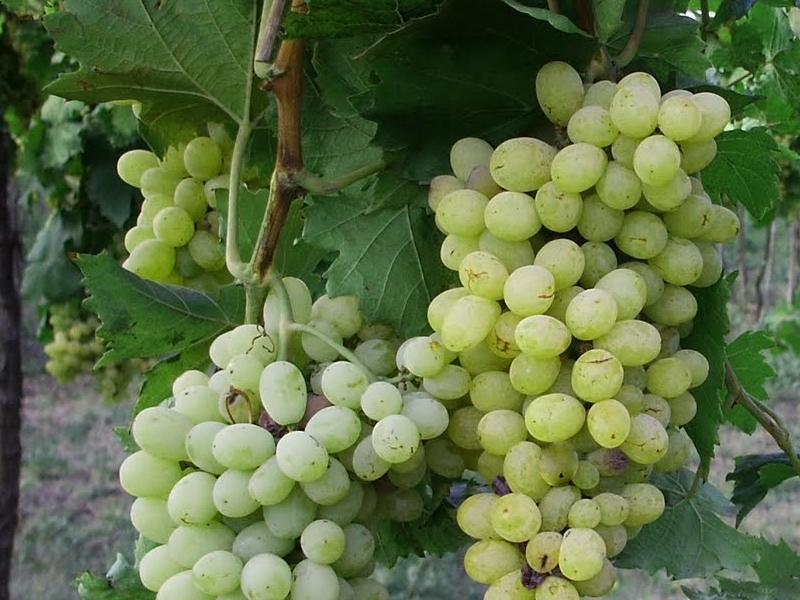
Niagara Grapes (seedless)
|
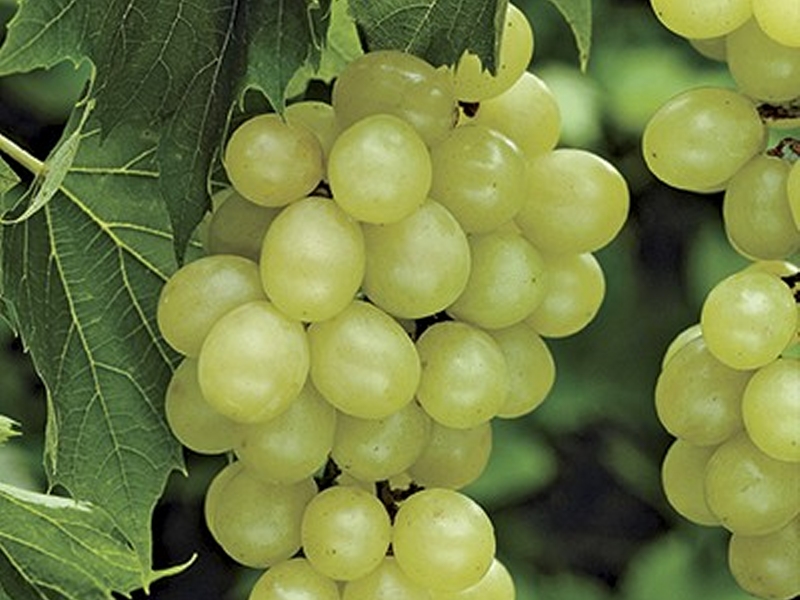
A Niagara grapevine is a woody plant, specifically a variety of the labrusca grape with three-lobed leaves and produces large, juicy, bunches of greenish-white seedless grapes typically found in your grocery store. Niagara grapes are well-known for their sweet and tangy flavor, and are commonly used in white grape juice, fresh eating, and for making jams, jellies, and wines.
They are vigorous, productive vines that thrive in full sun and well-drained soil. They are self-pollinating, meaning they can produce fruit without the need for another vine and are known for their good cold hardiness.
Plant in full sun with well-drained soil, spacing vines 6-10 feet apart. Prune the vines to a single stem with 4 buds at planting time. Train the vines on a support structure, such as a trellis or arbor. Mulch the base of the vines to help retain moisture and suppress weeds. Fertilize annually in late fall for the first three years to help the vine get established.
Grape Health Benefits
- Heart Health: Grapes and grape products like red wine are associated with improved heart health due to their antioxidant and anti-inflammatory properties, which can help reduce the risk of heart disease.
- Cancer Prevention: Resveratrol, a compound found in grapes, has shown potential in reducing the risk of certain types of cancer, including breast, colon, and prostate cancer.
- Eye Health: Grapes contain antioxidants like lutein and zeaxanthin, which can protect against age-related eye diseases like macular degeneration.
- Brain Function: Resveratrol in grapes may improve brain function by enhancing blood flow and protecting against damage from free radicals.
- Skin Beauty: The high concentration of antioxidants in grapes, particularly Vitis vinifera, can help protect skin from damage and improve its firmness, elasticity, and hydration, contributing to a youthful appearance.
- Other Benefits: Grapes also contribute to better sleep, bone health, immune system support, and help manage blood sugar levels.
Generally, newly planted grape vines take 3 years to produce a good crop of viable grapes.
- Year 1: Focus is on root establishment and vegetative growth. Vines may produce a few small clusters, but these should be removed to encourage strong root and trunk development.
- Year 2: The vine continues to grow and develop. Some growers may allow a small harvest, but it's typically not significant.
- Year 3: The first good crop of grapes is expected. This is when most home gardeners see their first substantial harvest.
- Year 4 and beyond: Yields increase and stabilize, with consistent production if proper care, pruning, and maintenance are maintained.
While some vines may produce a few grapes in the first year, a reliable, quality harvest is typically achieved by the third year.
Grapevine Pruning And Training Tips
Pruning grapevines involves removing excess growth to encourage fruit production and maintain the vine's structure. It's typically done during the dormant season (late winter/early spring) before new growth begins. The basic principles involve removing old, non-productive wood and leaving select canes or spurs for fruit production.
- Dormant Pruning: Pruning is best done when the vines are dormant, usually in late winter or early spring before leafing out.
- Remove Old, Non-Productive Wood: Eliminate any dead, diseased, or damaged canes or branches.
- Select Fruiting Canes/Spurs: Decide which canes or spurs to retain for fruit production based on the vine's training system.
- Maintain Structure: Remove suckers (new shoots from the root area or lower trunk) to encourage growth where desired.
- Balance Fruit Load: Pruning helps to control the number of fruit clusters, ensuring that the vine can properly support them.
- Select Fruiting Canes: Choose strong, one-year-old canes that are about the thickness of a pencil.
- Leave Buds: Cut back the selected canes to leave 10-15 buds (depending on the grape variety).
- Renewal Spurs: Leave one or two buds at the base of the fruiting cane for the following year's growth.
- Spur Pruning: Prune along the main canes to leave spurs (short canes with 2-3 buds) spaced 4-6 inches apart.
- Buds per Plant: The number of buds to retain per plant varies depending on the grape variety, generally between 20-60 buds.
- Training Systems: Grape vines are often trained to grow on trellises or arbors.
- Training Shoots: During the summer, train new shoots up the trellis or arbor, remove suckers that sprout from the lower trunk area.
|