|
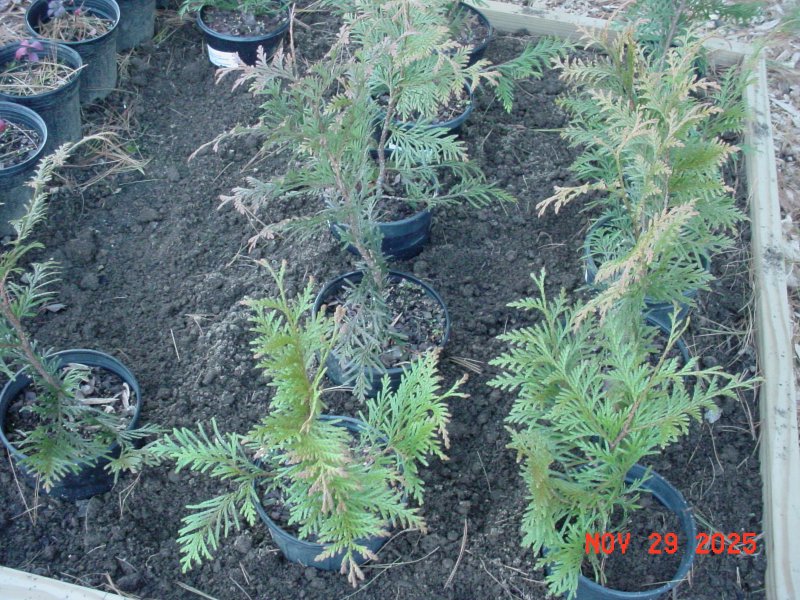
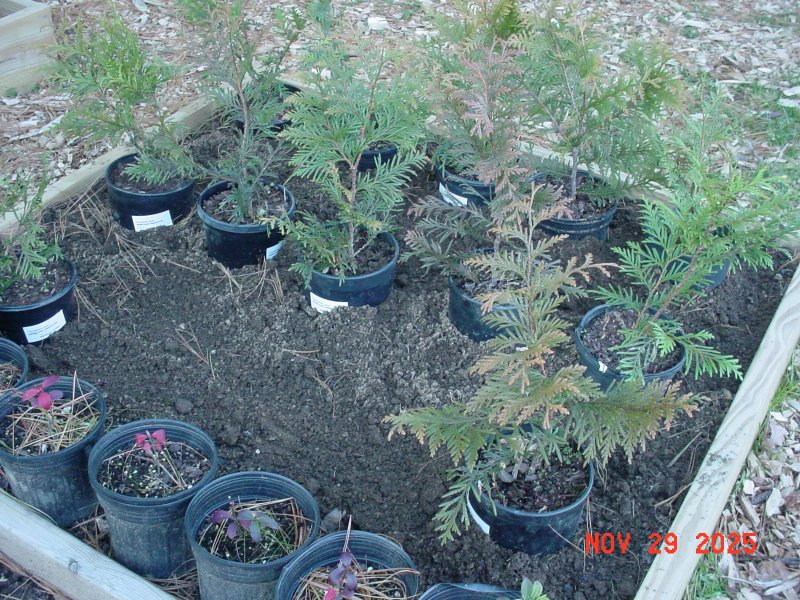
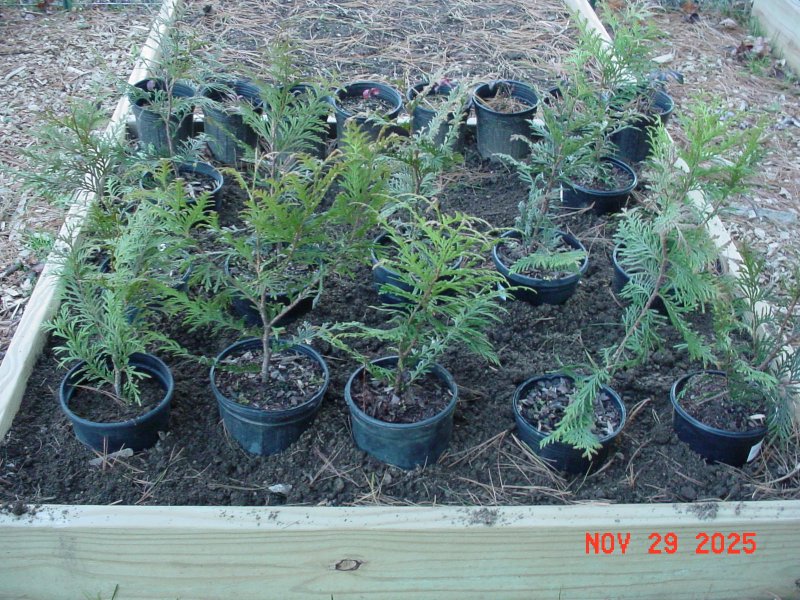
Potted Thuja Green Giant Arborvitae (Thuja plicata x standishii) Evergreen Trees
|
|
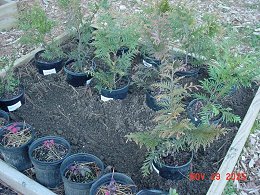
Green Giant Arborvitae Trees
|

Green Giant Arborvitae Trees
|
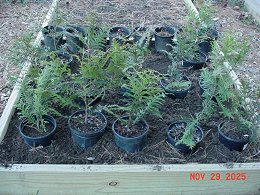
Green Giant Arborvitae Trees
|
'Green Giant' Arborvitae (Thuja plicata x standishii) Evergreen Trees
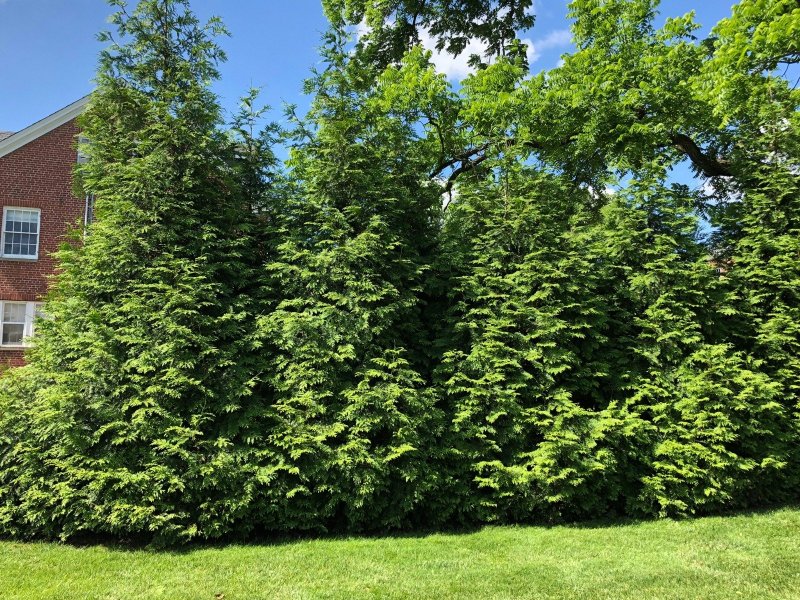
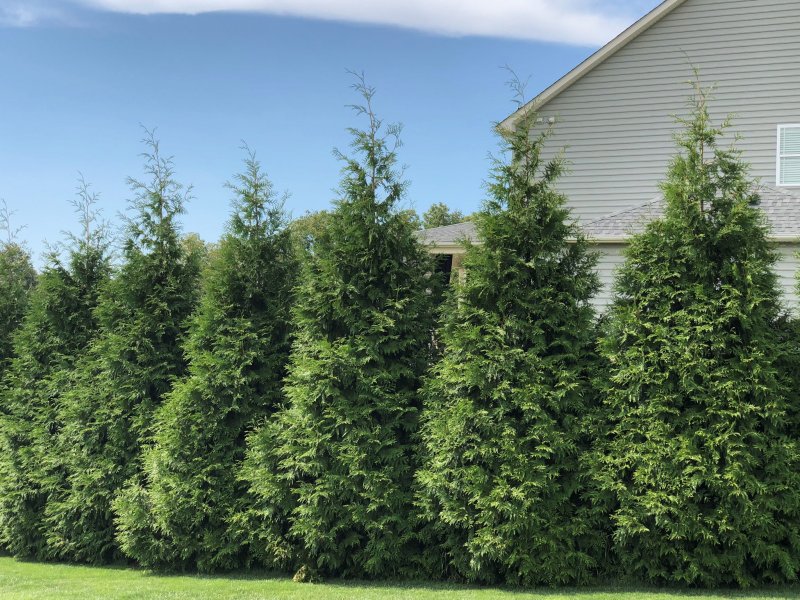
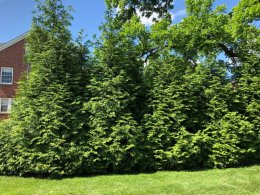
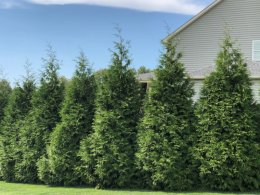
Thuja × 'Green Giant' is the scientific name for the Green Giant Arborvitae, a hybrid cultivar resulting from a cross between Thuja standishii (thuja) and Thuja plicata (western redcedar). This fast-growing evergreen is widely used for privacy screens and hedges due to its dense, pyramidal habit, resistance to pests and diseases, and maintains its rich green color throughout the winter months and is considered an evergreen tree.
- Scientific name: Thuja × 'Green Giant' (a hybrid of T. standishii × T. plicata)
- Growth Rate and Size: Known for its rapid growth, it can add 3 to 5 feet in height per year under optimal conditions, eventually reaching a mature height of 40 to 60 feet and a width of 12 to 18 feet.
- Shape: Has a natural pyramidal to conical shape but can be clipped into a hedge.
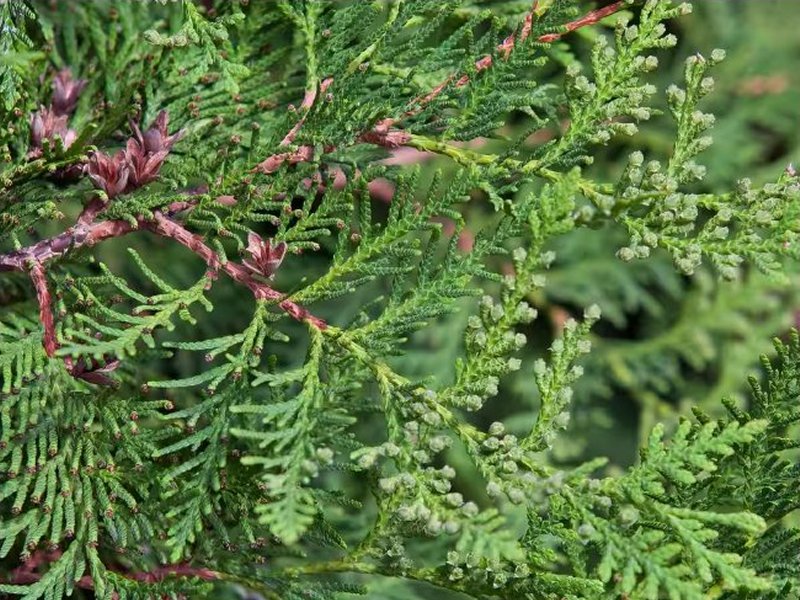
- Foliage: The foliage consists of dense, scale-like needles in flat sprays that are dark green and fragrant when crushed.
- Hardiness and Resilience: It is a hardy and adaptable plant, thriving in USDA Hardiness Zones 5 through 8. It is resistant to most pests and diseases, more deer-resistant than many other arborvitae varieties, and can withstand heavy snow and ice damage once established.
- Growing Conditions: It prefers full sun to partial shade (at least six hours of sun daily) and is adaptable to a wide range of soil types, from sandy loams to heavy clays, provided they are well-drained. It does not tolerate salt spray or overly wet areas.
- Maintenance: Is low-maintenance and requires little to no pruning to maintain its attractive shape.
- Resistance: It is resistant to most diseases and insects, including deer damage.
Green Giant Arborvitae spacing depends on your goal, but a common range for a privacy screen is 4 to 6 feet apart for a dense barrier or 5 to 8 feet apart for a more open screen. For windbreaks, space them 8 to 12 feet apart to allow wind to filter through. When planting, ensure each tree is at least 6 to 8 feet from fences and structures to avoid future conflicts with their roots and branches.
|
Green Giant Arborvitae Trees
|

Green Giant Arborvitae Trees
|
Green Giant Arborvitae Trees
|
Evergreen Fertilizer (NPK) Recommendations
Nitrogen (N): Promotes healthy, green foliage growth.
Phosphorus (P): Aids in the development of a strong root system.
Potassium (K): Boosts overall plant health and helps trees fight disease.
For evergreen trees, a complete fertilizer with a NPK ratio of 10-8-15 or a balanced formula like 10-10-10 is recommended to support foliage, root development, and overall health. Fertilizers with higher nitrogen content are also beneficial for foliage growth, and it's important to choose a fertilizer designed for evergreen or acid-loving plants, as they often prefer slightly acidic soil.
- 10-8-15: A frequently recommended ratio that provides a good balance of nitrogen, phosphorus, and potassium for evergreen health.
- 10-10-10: A versatile, balanced option that provides a complete supply of essential nutrients.
- Slow-release formulas can provide nutrients gradually over a longer period, such as those with a 13-5-6 NPK ratio.
Evergreen trees thrive in slightly acidic soil (pH just under 7.0). Choose a complete fertilizer that contains all three macronutrients (N, P, and K). Fertilize in late fall or early spring, and consider using slow-release or spike fertilizers for gradual nutrient delivery.
An ideal NPK ratio for evergreen trees has a higher nitrogen content than phosphorus and potassium. Evergreens generally prefer acidic soil, so specific formulas, such as 10-8-6, 16-4-8, or even a balanced 10-10-10, can work well, depending on your soil conditions and tree's needs. To determine the best fertilizer for your specific soil, it is recommended to get a soil analysis. Purchase a Soil PH Meter or Tester and maybe a Soil Moisture Tester to determine your soil PH level and moisture.
|