|
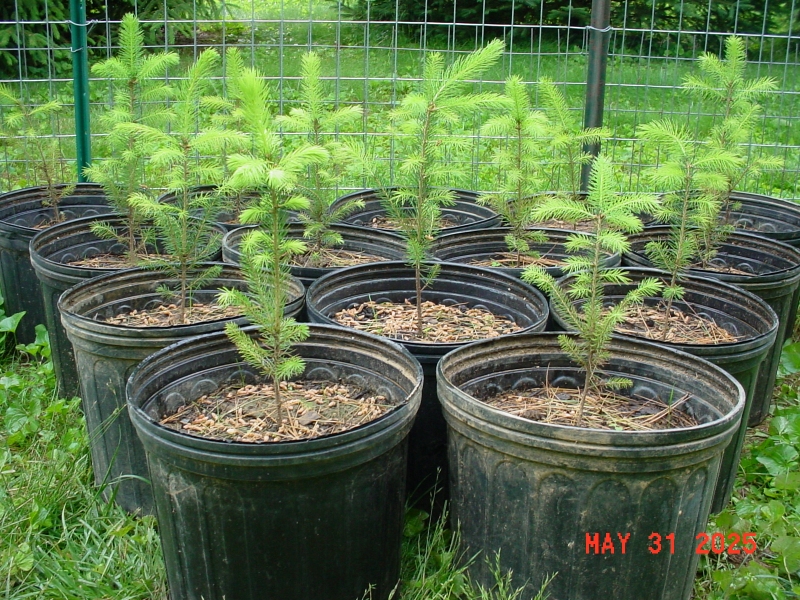
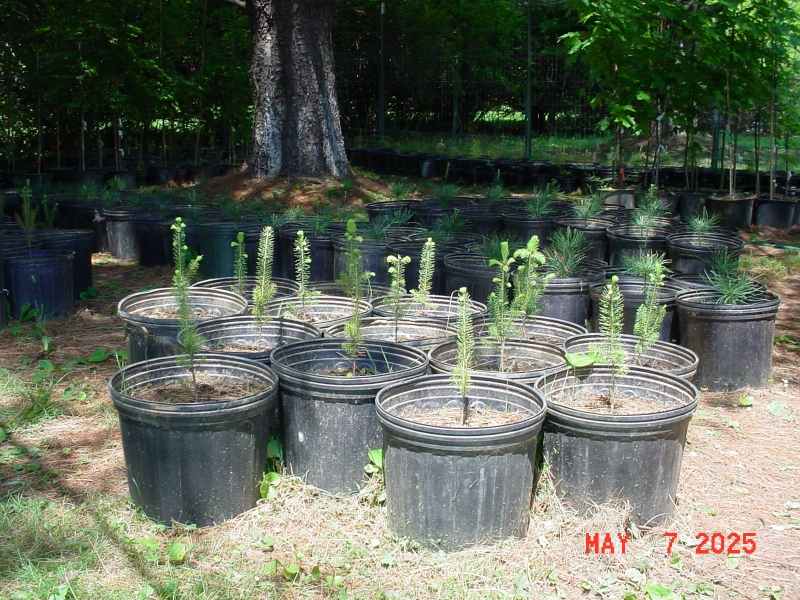
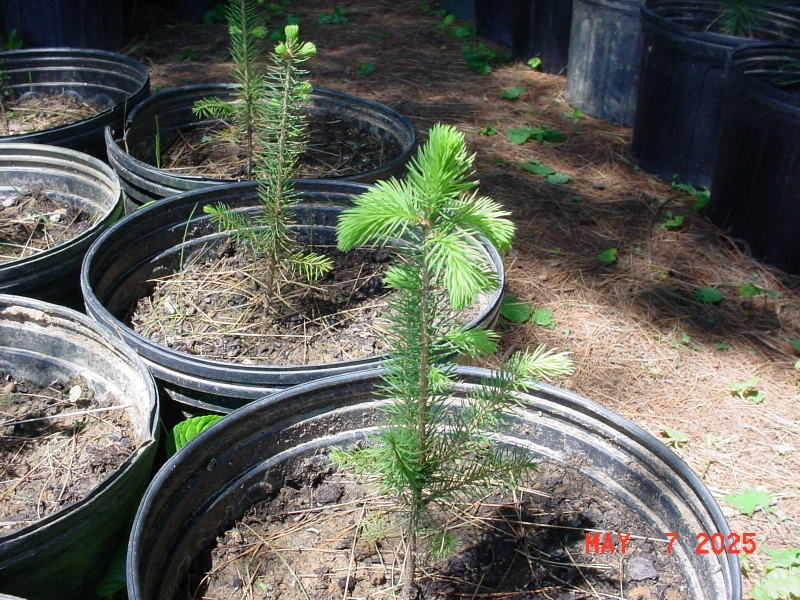
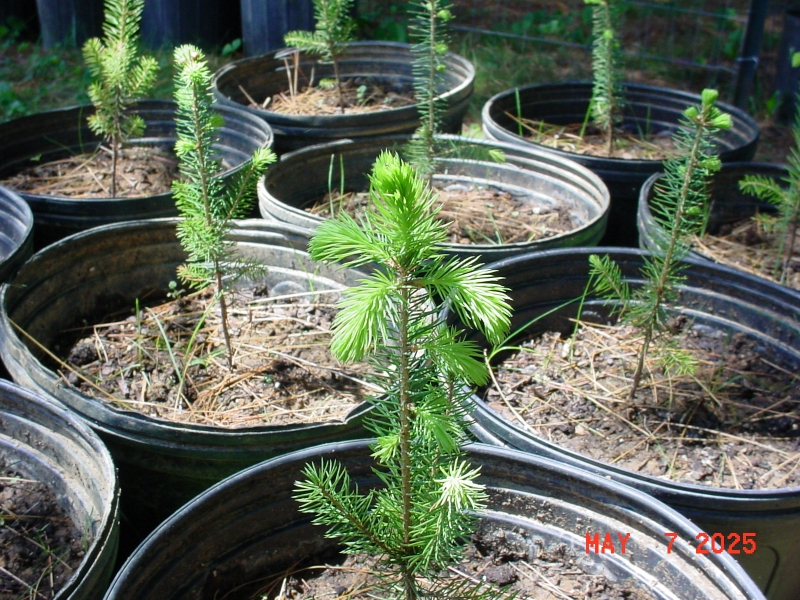
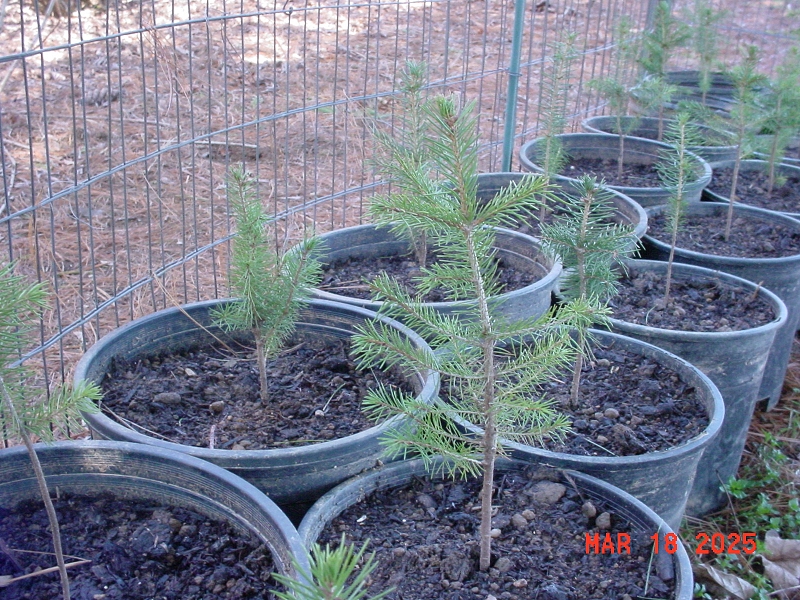
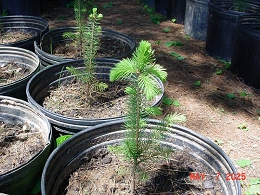
Potted Norway Spruce (Picea abies) Evergreen Trees
|
|
Norway Spruce
|
Norway Spruce
|
Norway Spruce
|
Norway Spruce (Picea abies) Evergreen Trees
|
Norway Spruce
|
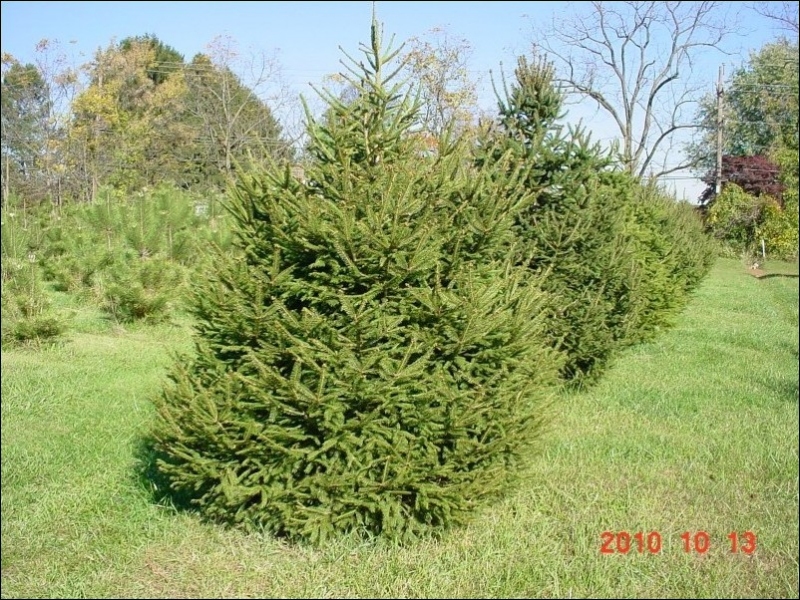
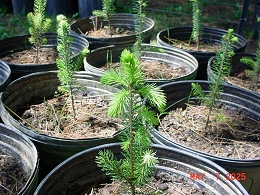
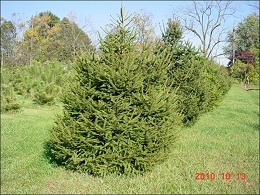
Norway spruce (Picea abies) is a large, fast-growing evergreen conifer native to northern, central, and eastern Europe. It is widely recognized as a traditional Christmas tree, used in holiday decorations across Europe and North America. The tree has a pyramidal shape, dark green, four-sided needles, and long, cylindrical cones that hang downward—often reaching 9–17 cm in length, the longest of any spruce species.
Norway spruce grows rapidly, reaching 35–55 meters (115–180 feet) tall in its native range, though typically 40–60 feet in North America. Mature trees can live for 200 to 1,000 years, with some reports of exceptional longevity. Norway spruce thrives in cool climates, prefers full sun, and grows best in moist, well-drained, acidic soils. It is valued for its softwood timber, known as "white deal," used in construction, paper production, and musical instruments—especially violins—where a special form called Haselfichte is prized.
The Norway spruce tree is also ecologically significant, supporting birds, moths, and small mammals, and has historical uses in traditional medicine and spruce beer. Over 150 cultivars exist, ranging from dwarf, weeping, and compact forms to large ornamental trees. Despite being non-native in many regions, it is widely planted and naturalized in parts of North America and the UK.
About Norway Spruce Evergreen Trees
|
Norway Spruce
|
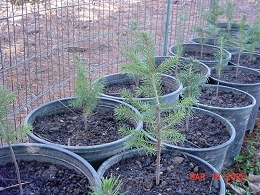
The Norway Spruce evergreen tree is the fastest growing spruce tree and most diseases resistant of the evergreens and why we recommend the Norway Spruce. Norway Spruce develops strong graceful branches that are covered with dark green needles. Ideal quick windbreaker or privacy screen.
Evergreen Fertilizer (NPK) Recommendations
Nitrogen (N): Promotes healthy, green foliage growth.
Phosphorus (P): Aids in the development of a strong root system.
Potassium (K): Boosts overall plant health and helps trees fight disease.
For evergreen trees, a complete fertilizer with a NPK ratio of 10-8-15 or a balanced formula like 10-10-10 is recommended to support foliage, root development, and overall health. Fertilizers with higher nitrogen content are also beneficial for foliage growth, and it's important to choose a fertilizer designed for evergreen or acid-loving plants, as they often prefer slightly acidic soil.
- 10-8-15: A frequently recommended ratio that provides a good balance of nitrogen, phosphorus, and potassium for evergreen health.
- 10-10-10: A versatile, balanced option that provides a complete supply of essential nutrients.
- Slow-release formulas can provide nutrients gradually over a longer period, such as those with a 13-5-6 NPK ratio.
Evergreen trees thrive in slightly acidic soil (pH just under 7.0). Choose a complete fertilizer that contains all three macronutrients (N, P, and K). Fertilize in late fall or early spring, and consider using slow-release or spike fertilizers for gradual nutrient delivery.
An ideal NPK ratio for evergreen trees has a higher nitrogen content than phosphorus and potassium. Evergreens generally prefer acidic soil, so specific formulas, such as 10-8-6, 16-4-8, or even a balanced 10-10-10, can work well, depending on your soil conditions and tree's needs. To determine the best fertilizer for your specific soil, it is recommended to get a soil analysis. Purchase a Soil PH Meter or Tester and maybe a Soil Moisture Tester to determine your soil PH level and moisture.
|